
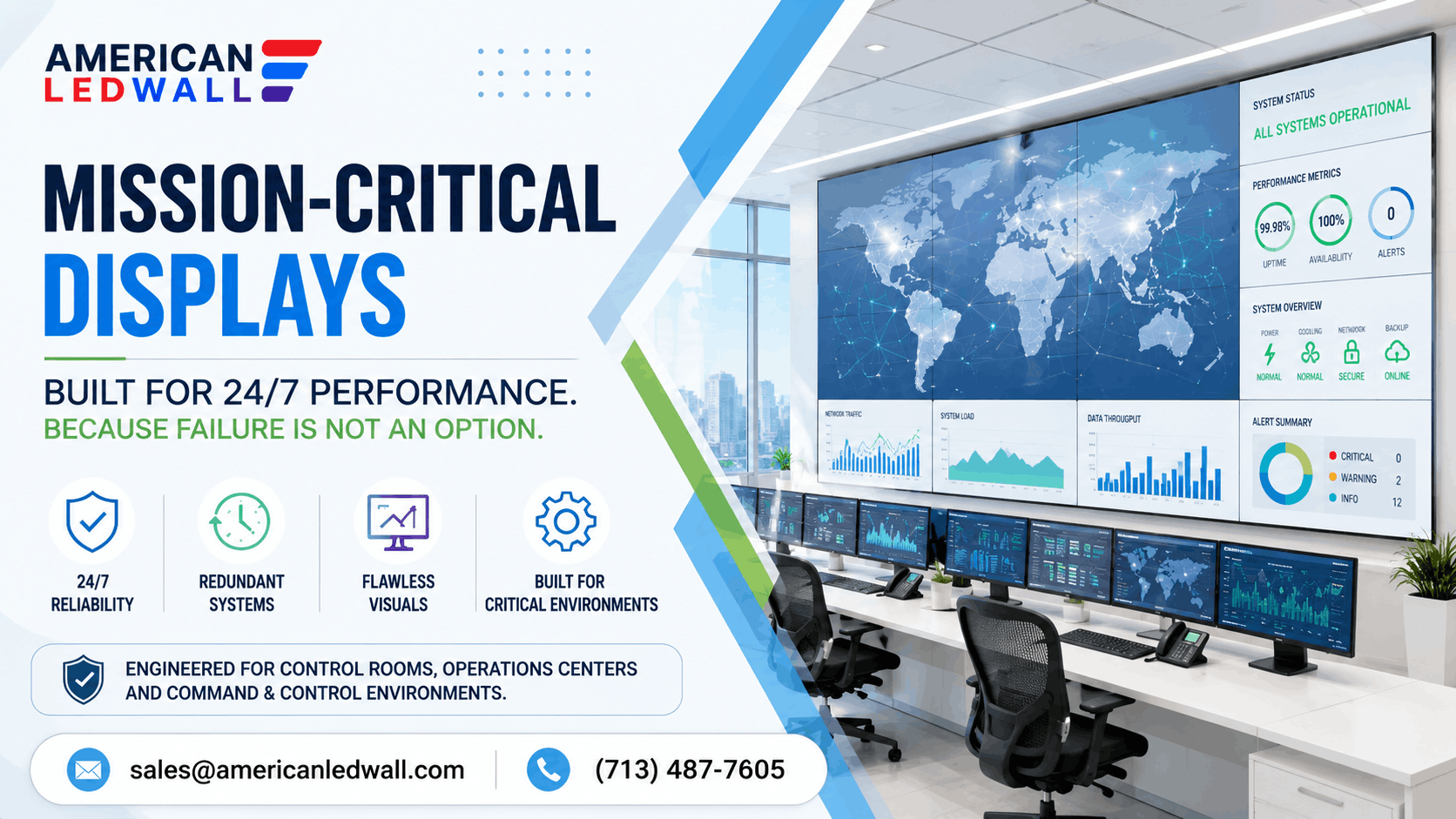
Mission critical displays are the screens that cannot go dark. They run around the clock in control rooms, command centers, and operation rooms where one blank screen can slow down a response or hide a problem. When a power grid operator, a security team, or an emergency center watches a wall of live data all day, the screen behind that work has to keep running. No flicker. No downtime. No excuses.
A normal TV is not built for this. It is made to run for a few hours a day and rest. A mission critical display is built to run every hour of every day, for years, and to keep going even when one part inside it fails.
This guide explains what these displays are, why they matter, and how to choose the right one. We wrote it in plain words, so you do not need a technical background to follow it.
What Makes a Display Mission Critical
The name sounds heavy, but the idea is simple. A mission-critical display is a screen that people depend on to do serious work, where failure carries a real cost.
Think about where they get used. A 911 dispatch center. A power company is watching the grid. An airport operations room. A military command post. A bank monitors fraud in real time. In all of these places, the team stares at a large screen for the whole shift, and the information on that screen drives fast decisions.
If that screen goes down for even a minute, the team loses sight of what is happening. That is the difference. A regular display is for watching. A mission critical display is for depending on.
Why Regular Screens Are Not Enough
Here is the honest part. A cheap screen will work fine on day one. The trouble shows up later.
Run a normal display 24 hours a day, and it heats up, dims, and burns out far sooner than the label promises. It has one power supply, so if that part fails, the whole screen dies. It has visible seams if you tile several together, so a map or a spreadsheet gets cut by black lines. And when it breaks, someone has to pull the whole unit off the wall to fix it.
Reliable display solutions for mission-critical operations solve each of these problems on purpose. They are engineered for nonstop use, not weekend movie nights. That engineering is what you are really paying for.
Features to Look for in Mission Critical Displays
When you compare mission critical displays, look past the picture quality and check how the screen is built to survive. These are the features that matter most.
- 24/7 rated panels. The display must be designed to run continuously, hour after hour, rather than for a short daily stretch.
- Redundant power and signal. Good systems carry a backup power supply and a backup signal path, so one failure does not blank the wall.
- Long lifespan. Quality LED panels are rated at 100,000 hours, which is over a decade of steady use.
- Seamless image. A direct-view LED wall has no bezels, so the picture stays whole across the entire surface. No lines cutting through your data.
- Front serviceable design. A technician should be able to fix a single module from the front, without taking the wall apart.
- Steady color and brightness. The screen should hold even color for years, since operators watch it all day, and eye strain is real.
- Secure, US-based sourcing. For government and defense work, the supply chain behind the display matters as much as the display itself.
A display that checks these boxes will keep working through the situations where it counts. One that does not let you down at the worst time.
Where Mission Critical Displays Are Used
Control and command centers. This is the core use. Operators watch one large wall for a full shift, so seam-free images, steady color, and full redundancy are the baseline. Our control and command center displays are built for exactly this setting.
Government and defense. Command posts and secure facilities need displays with a trusted, US-based supply chain. This is where compliance rules come in, and where our TAA-compliant LED video walls fit, since they meet federal sourcing standards.
Emergency and public safety. A 911 center or an emergency operations room runs nonstop during a crisis. The wall has to stay up when the pressure is highest.
Utilities and energy. Grid operators and plant control rooms watch live system data all day, so a dark screen means a blind spot in the network.
Finance and security operations. Trading floors and fraud teams track fast-moving data in real time, where a lag or a failure has a direct cost.
Why LED Video Walls Fit Mission Critical Work
For most control rooms today, a direct-view LED video wall is the right tool. Here is why, in plain terms.
LED panels have no seams, so a large wall shows one clean picture with no grid across it. They run very bright and hold color well, which keeps them readable under strong room lighting. They last a long time, and the good ones are front serviceable, so a repair does not shut the room down. And because the panels are modular, you can build a wall to the exact size and shape your room needs.
We also work with NovaStar processors, which drive the wall and manage what shows on it. A strong processor is a big part of a reliable control room setup, not an afterthought. For rooms with unusual shapes or sizes, we build custom LED display configurations to fit the space.
How to Choose the Right Supplier
The panel is only half of what you buy. The supplier behind it decides how well the wall runs for the next ten years. When you compare suppliers, ask these questions.
- Can you reach a real person for support when a module fails two years from now?
- How fast do spare parts ship?
- Are the panels color-matched at the factory so the wall looks uniform?
- Does the supplier understand control room and compliance needs, or do they mostly sell screens for stores and lobbies?
- And can they help with the install, since mounting a fine-pitch wall is precise work?
A supplier who answers these clearly will save you money and stress. One who dodges them is a risk you do not want in a room where the screen cannot fail.
Our Mission Critical LED Panels
Here are three panels that suit control room and command center work. Sizes and pixel pitches vary, so tell us your room and viewing distance, and we will point you to the right fit.
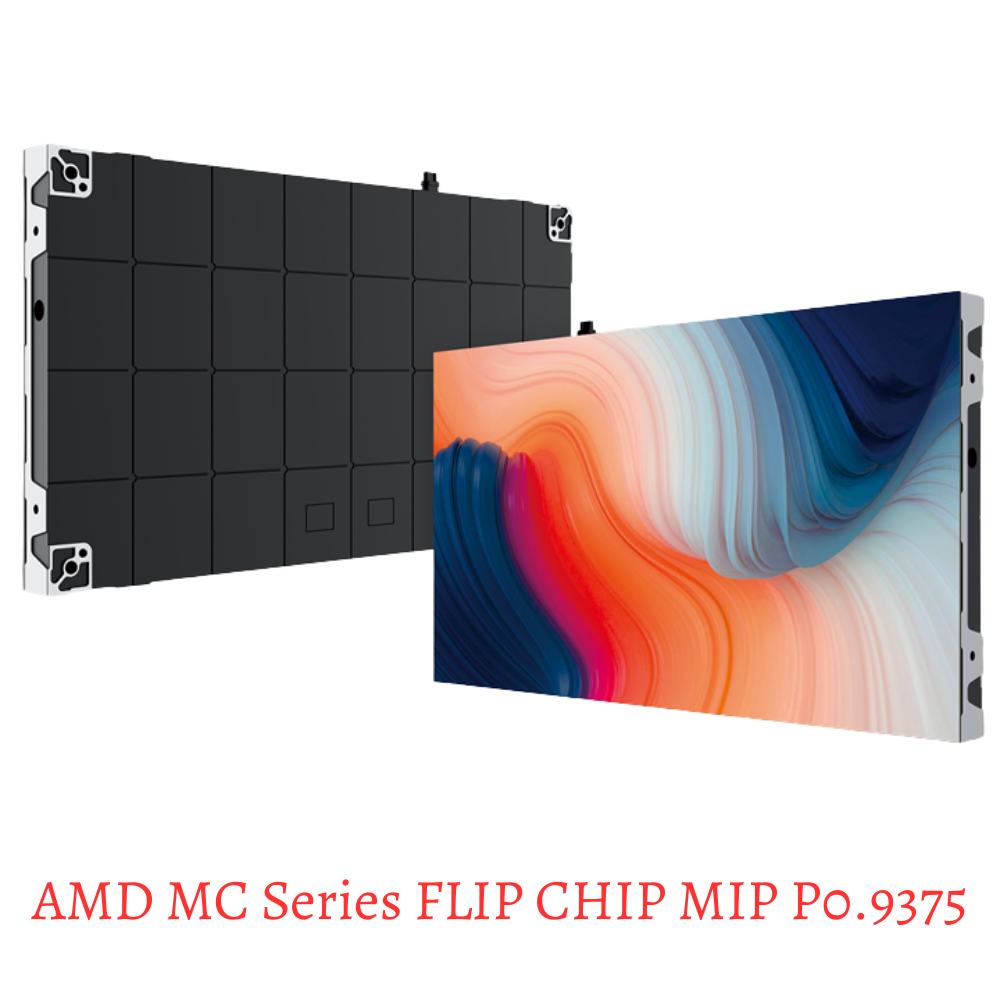
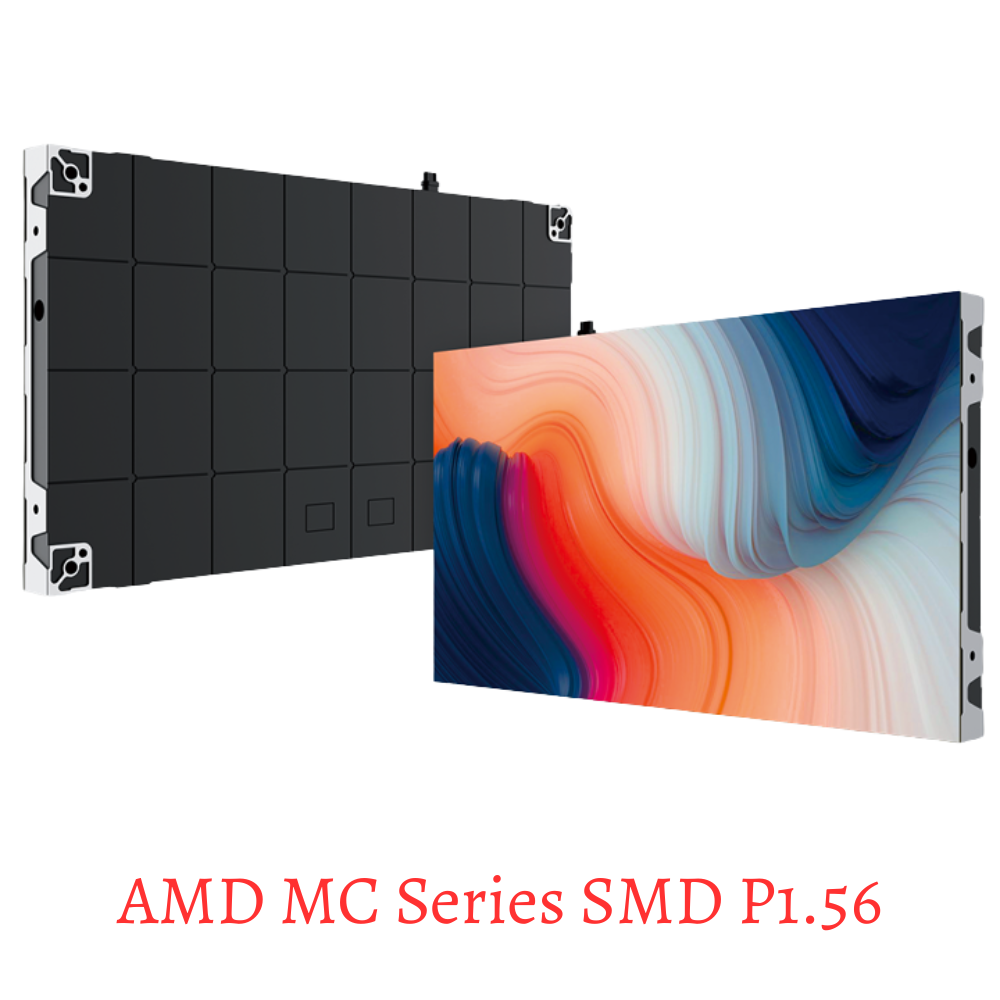
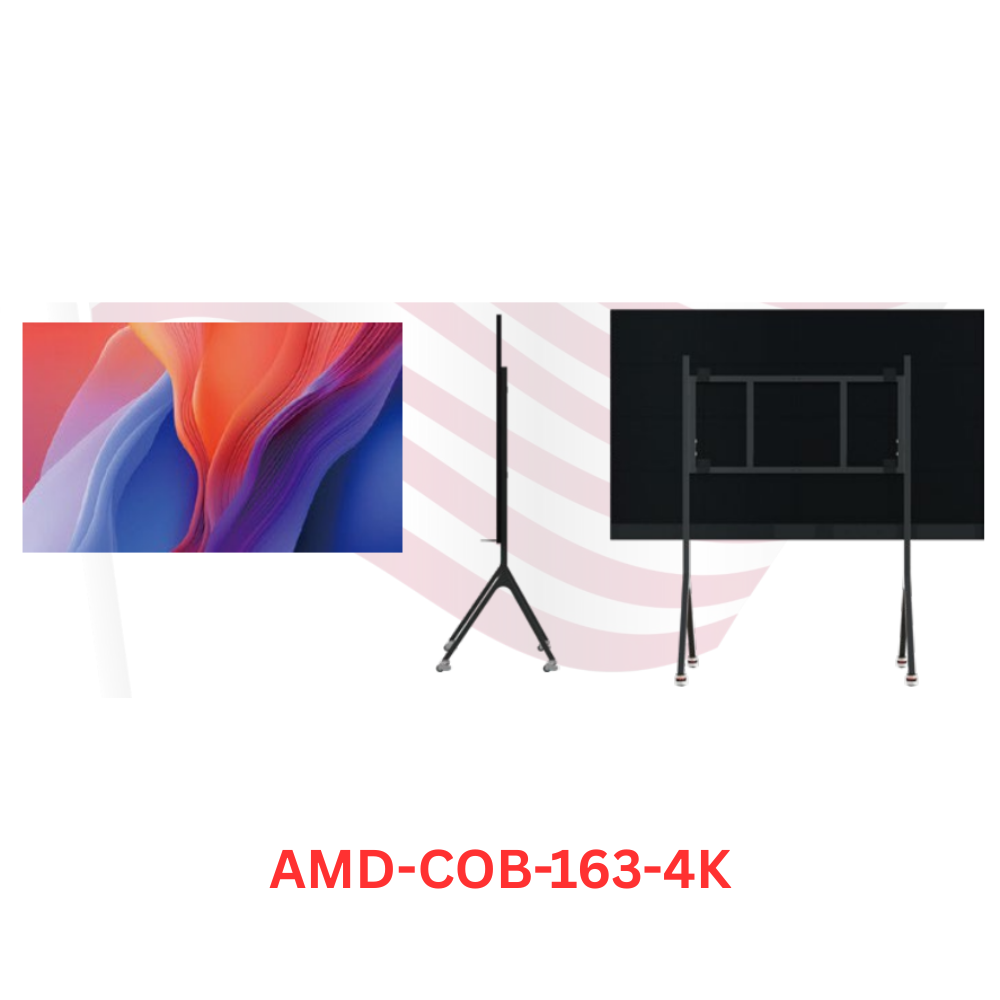
Want to see the full range first? Browse our indoor LED video walls, and use our LED wall calculator to size a wall for your room in a minute.
A Short Checklist Before You Buy
Measure the distance from the wall to where operators sit. That number sets your pixel pitch and most of your budget.
Ask how the display handles a part failure. A true mission critical display keeps running on backup power and signal, and lets a technician swap a module from the front.
Confirm the sourcing. For government or defense work, check that the panels meet the compliance rules that apply to your facility.
Then get a full quote with the panels, the processor, mounts, cabling, and install all included. A quote for panels alone will look cheaper and will not match what you actually pay.
Ready to Plan Your Control Room
A control room screen is a long-term investment, and the room depends on it every shift. Get the reliability and the sourcing right at the start, and the wall will run cleanly for years. When you need mission critical displays that stay up when it counts, our team can help you plan the right setup from the first step.
Frequently Asked Questions
What are mission critical displays?
They are screens built to run nonstop in control rooms and command centers, where a failure has a real cost. They use redundant parts and 24/7 rated panels.
How long do mission critical LED displays last?
Quality LED panels are rated near 100,000 hours, which is well over a decade of continuous use.
Are American LED Wall displays TAA compliant?
Yes. We offer TAA compliant LED video walls built to meet US government sourcing rules for command centers and secure facilities.
Can a mission critical video wall be repaired without shutting it down?
Yes. Our front serviceable panels let a technician replace a single module from the front, so the wall keeps running.
Which displays are best for a control room?
Direct view LED video walls are the common choice, since they have no seams, run bright, and hold steady color through long shifts.
