
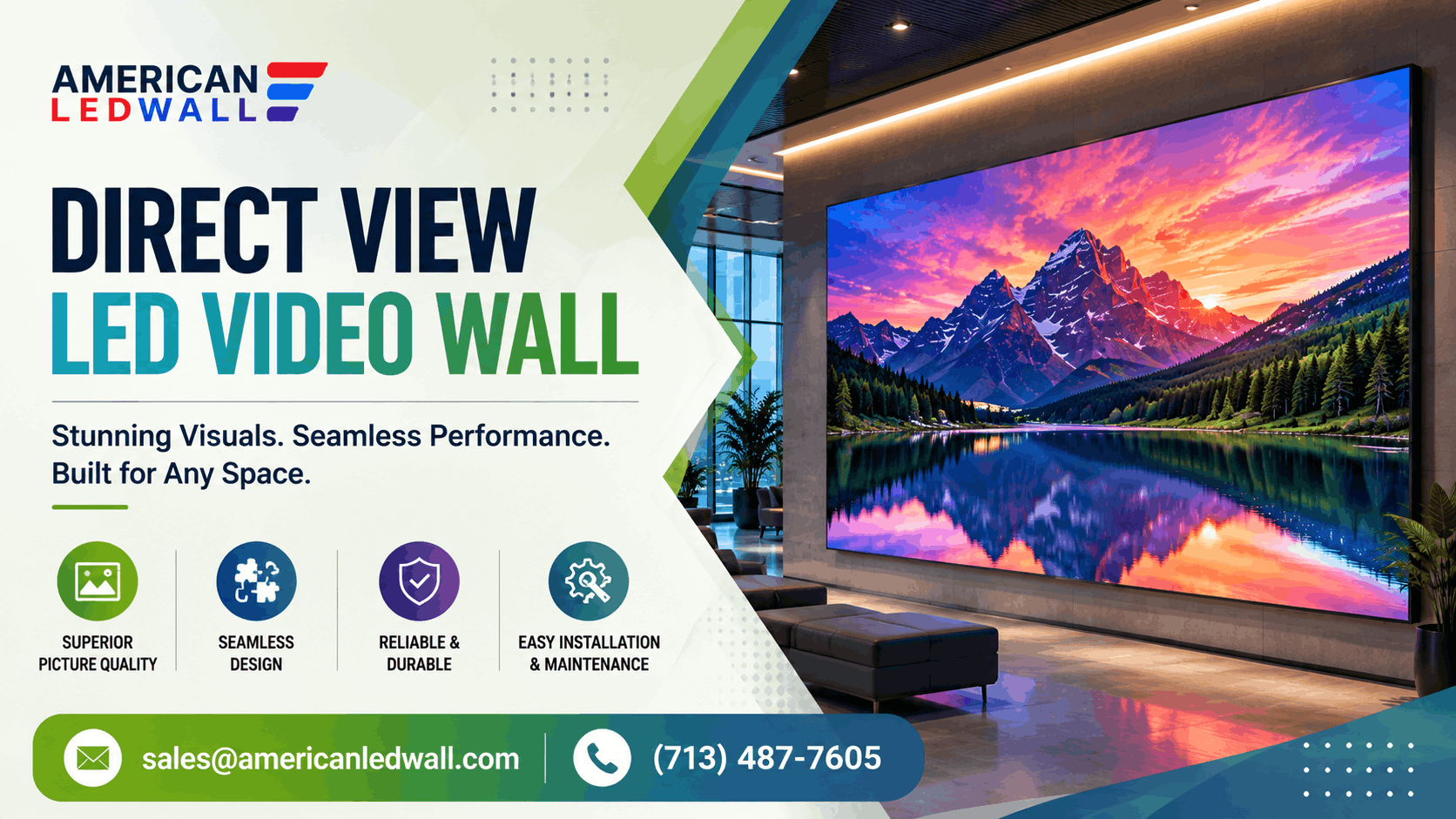
A direct view LED video wall is a big screen built from many small LED panels that join together to show one clear picture. There are no black lines running through the image. No bezels. Just one large, bright surface that people can see clearly from across a lobby or a lobby-sized room.
You have probably already seen one. That huge screen behind a news anchor. The wall of moving images in a hotel lobby. The big board in an airport showing flight times. Most of those are direct view LED.
This guide explains how the technology works, what it costs, and how to pick the right one. We wrote it in plain language, so you do not need a background in AV to follow along.
What Direct View LED Actually Means
Start with the name, because it explains the whole thing.
In a normal TV or LCD screen, the LEDs sit behind the glass. They act as a backlight. That light passes through a shutter and a color filter before it reaches your eyes. You never look at the LED itself.
In a direct view LED display, you look straight at the LEDs. They are the picture. Each pixel is made of one red, one green, and one blue LED sitting on the panel surface. Nothing sits in front of them.
That single change does a lot. Direct view LED displays run brighter, hold deeper blacks, and use less power than an LCD wall of the same size. They also run cooler and last longer. A good panel will keep working for around 100,000 hours.
How Direct View LED Technology Compares to Older Options
Many buyers ask about the difference between direct-view and rear-projection displays, since rear projection was the standard in control rooms for years.
Rear projection throws an image onto the back of a screen using a projector and a mirror. It needs a deep space behind the wall. The lamps fade, the colors drift, and the picture washes out in a bright room. Anyone who has sat in a projector-lit meeting room knows the feeling.
Direct view LED panels are only a few inches deep. The image does not fade with the room light. No lamps to swap. That is why most control rooms have switched over.
Against LCD video walls, the difference is the seams. LCD panels have thin borders, so a large wall shows a faint grid across the picture. Direct view LED has none. Seamless direct view LED wall solutions matter a lot when you show maps, spreadsheets, or live camera feeds, because a seam can cut straight through the thing you need to read.
Pixel Pitch: The One Spec to Get Right
Pixel pitch is the gap between two LEDs, measured in millimeters. A P1.5 panel has 1.5 mm between pixels.
A smaller pitch means more pixels, a sharper image, and a higher price. Simple as that.
The trick is matching pitch to viewing distance. A rough rule used across the industry: about 1 mm of pitch for every 3 to 5 feet of viewing distance.
- Under 1.5 mm. Fine pitch direct view LED displays for boardrooms, control rooms, and lobbies where people stand close.
- 1.5 mm to 2.5 mm. A good middle ground for conference rooms and retail.
- 2.5 mm to 4 mm. Larger rooms, auditoriums, houses of worship.
- Above 4 mm. Big venues and outdoor walls where nobody stands near the screen.
Paying for a 0.9 mm pitch on a wall that people view from 40 feet away wastes money. They cannot see the difference. Our LED wall calculator will size this for your room in a minute.
What a Direct View LED Video Wall Costs
Nobody likes a vague answer here, so here is a straight one: direct view LED price depends on three things, and pixel pitch drives most of it.
- Pixel pitch. The biggest cost lever by far. A fine-pitch wall can cost several times what a coarse-pitch wall of the same size costs.
- Total size. Panels are priced by the square foot or by the cabinet, so a wider wall costs more.
- Everything around the panels. This is the part people forget. Your direct view LED wall installation cost includes mounts, a video processor, cabling, power work, and labor. Budget for it early rather than being surprised later.
For a working budget, most buyers land somewhere between the low tens of thousands for a modest conference room wall and well into six figures for a large fine pitch installation. The honest answer is that direct view LED video wall cost varies too much for a single number to be useful. Send us your room size and viewing distance and we will give you a real figure instead of a guess.
Where These Walls Get Used
- Control and command rooms. Operators watch the same wall for entire shifts, so seam-free images and steady color matter. See our control and command center displays.
- Airports and transport hubs. Direct view LED displays for airports handle flight boards, wayfinding, and advertising in one system. They stay readable under strong terminal lighting, which is where many LCD screens struggle.
- Conference rooms and boardrooms. Fine pitch panels make text sharp enough to read from the far end of the table. Our conference room video walls cover this setup.
- Retail and lobbies. Direct view LED signage draws attention at entrances and in store windows. Brightness is the reason it works in daylight-filled spaces.
- Stadiums and venues. Large format walls where the crowd sits far back, so a wider pitch does the job at a lower cost.
Direct View Micro LED and What Comes Next
You will hear direct view micro LED mentioned often now. It uses much smaller LED chips, which allows very tight pixel pitches and better contrast. COB, or chip on board, is the related packaging method that protects those tiny LEDs under a solid layer, making the panel tougher to knock or scratch.
The direct view LED display market has moved quickly here. Pitches that were rare and expensive a few years ago now ship as standard products. For most buyers, the practical result is simple: fine pitch options cost less than they used to.
Picking Among Direct View LED Manufacturers
A panel is only part of what you are buying. When comparing direct view led manufacturers, ask about these:
- Real support. Can you reach a person when a module fails two years from now?
- Spare parts. Modules do fail eventually. Ask how fast replacements ship.
- Calibration. Panels should be color-matched at the factory so the wall looks uniform.
- Processing. The controller drives what the wall can actually display. We work with NovaStar processors, a common choice for a direct view led traffic controller setup and for standard video wall control.
- Installation help. Mounting a fine-pitch wall is precise work. A supplier who has done it before will save you money and rework.
We build custom LED display configurations, too, for curved walls, odd room shapes, and sizes that do not fit a standard grid.
Our Direct View LED Panels
Here are four options that cover most projects. Sizes and pitches vary, so tell us your room and we will point you to the right one.
The 163 direct view led display video wall is our most popular all-in-one unit, since it ships as a finished screen rather than a grid of panels you assemble on site. If you want the 163 direct view LED price for your project, send us the room details, and we will quote it with mounting and processing included.
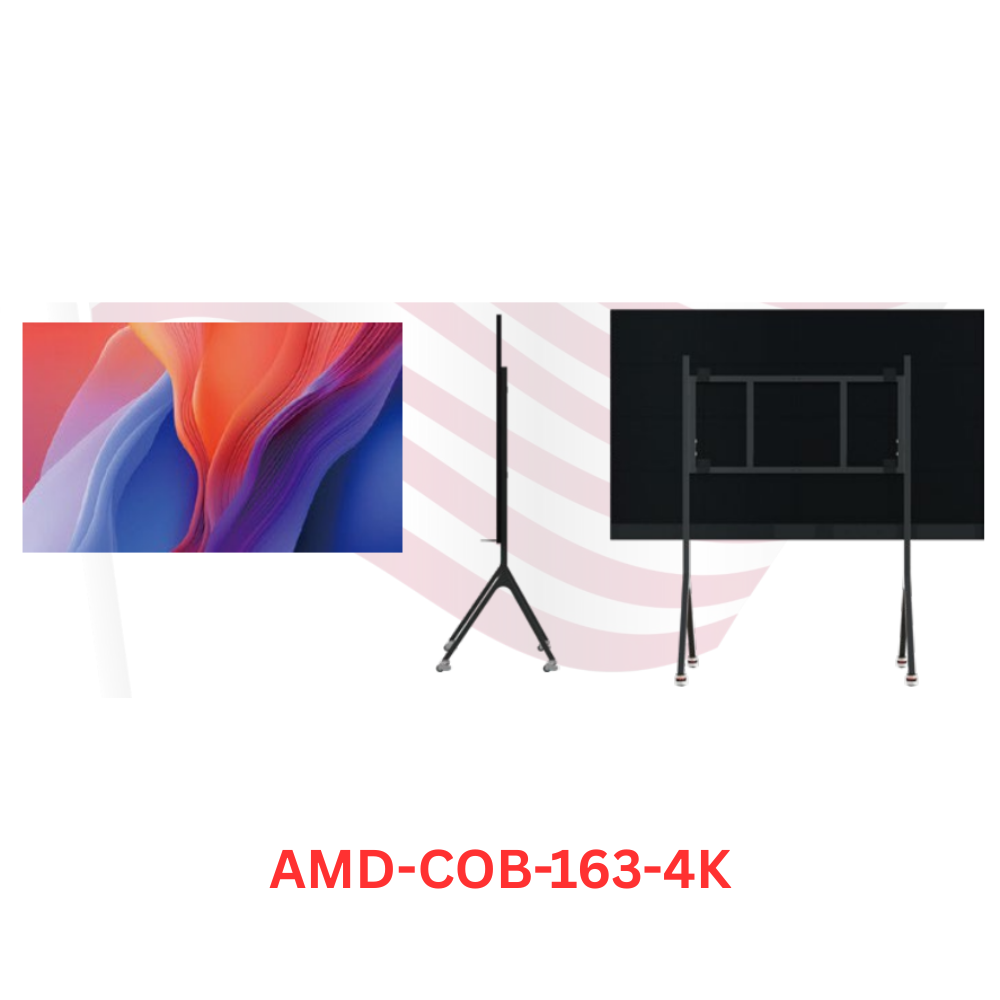
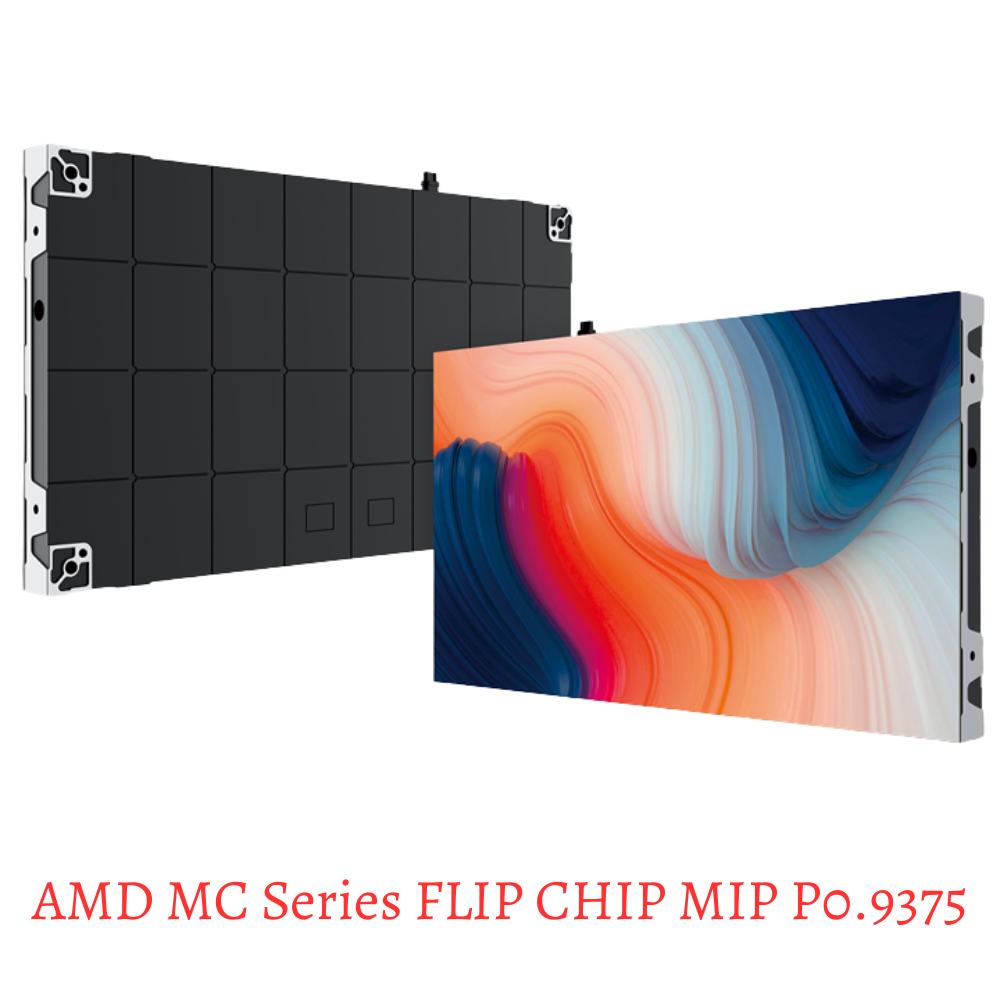
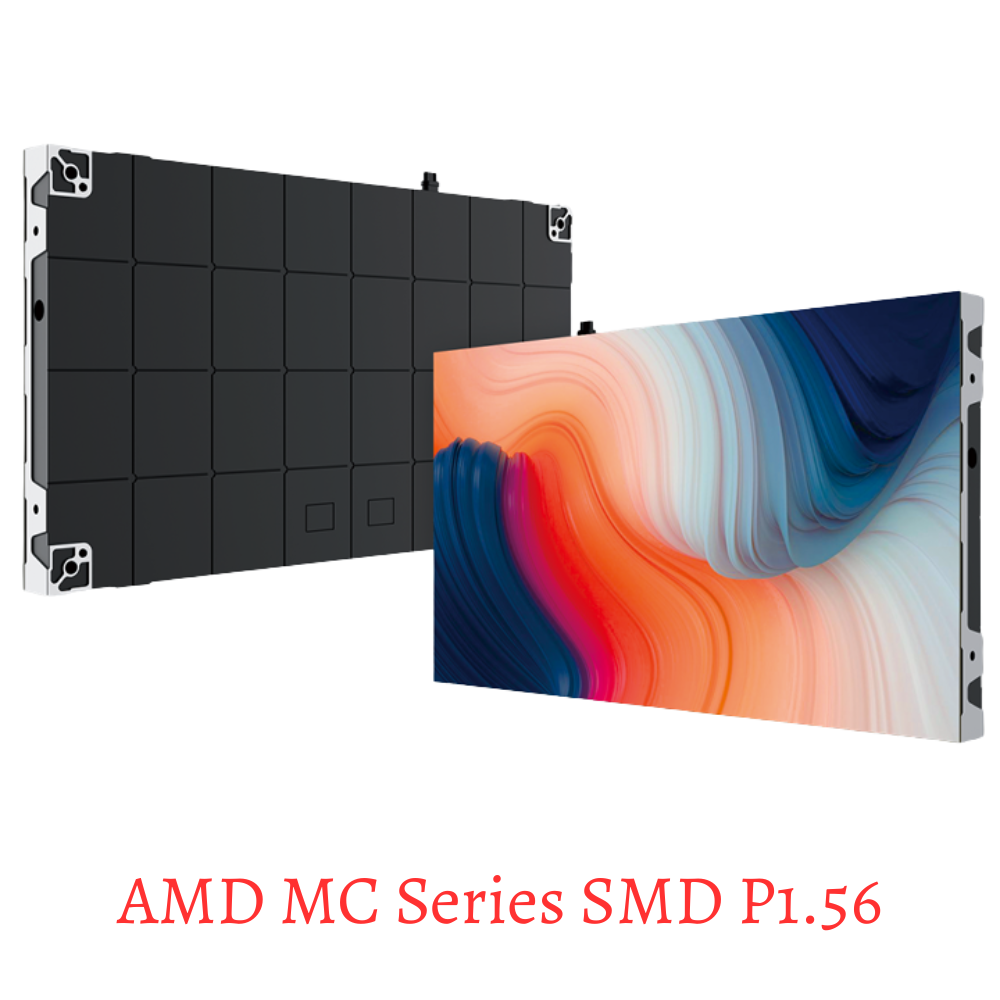
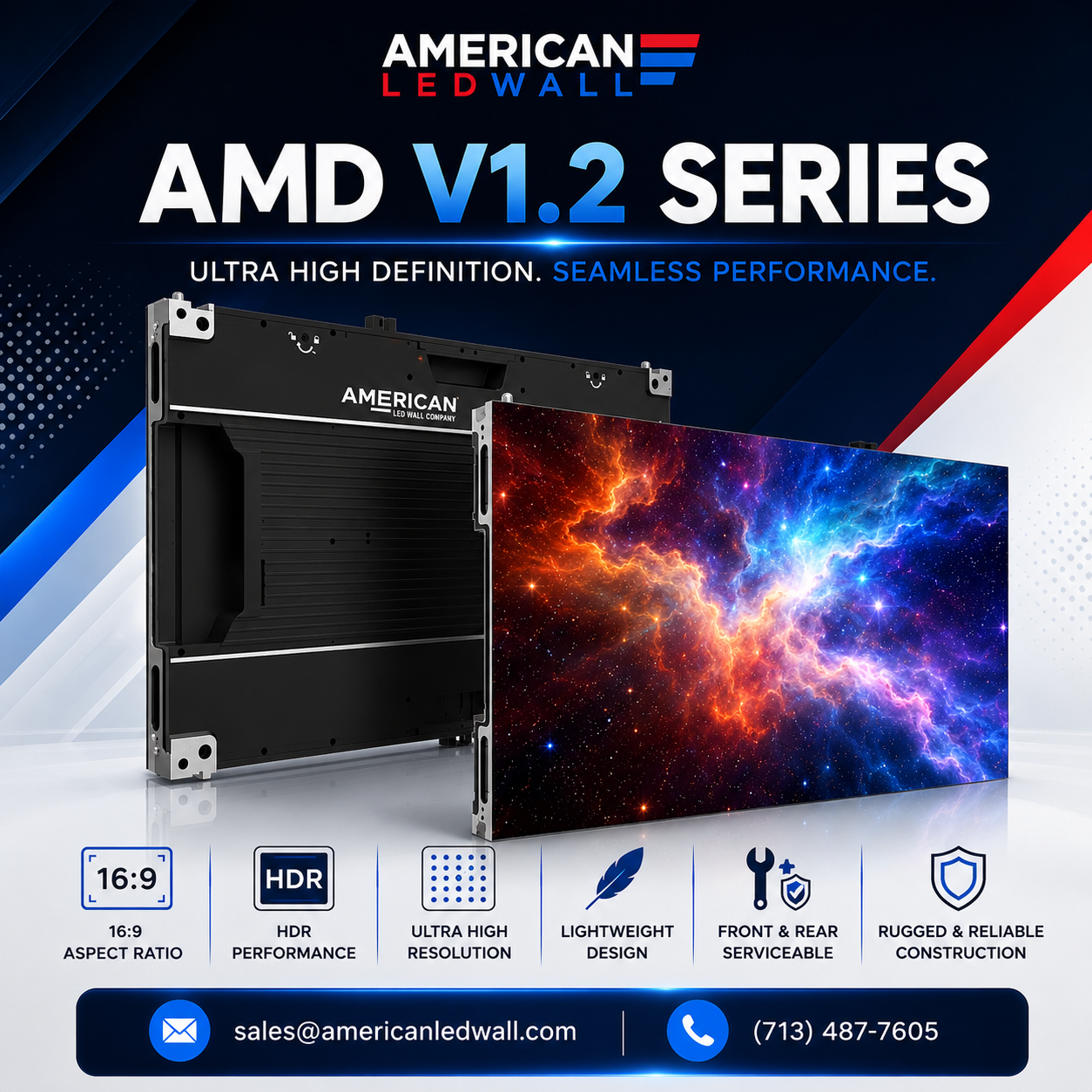
Looking for something outdoors instead? See our outdoor LED screens. For indoor rooms of any size, start with our indoor LED displays.
Before You Buy: A Short Checklist
- Measure the distance from the screen to where people actually stand or sit. That number decides your pixel pitch, and it decides most of your budget.
- Check the wall itself. Is it flat? Can it carry the weight? Is there power nearby and space behind for service access?
- Ask how the service works. Front serviceable panels let a tech pull a module from the front, which matters when the wall sits against a solid surface.
- Then get a real quote with everything included. Panels, processor, mounts, cabling, and labor. A quote covering only the panels will look cheaper and will not reflect what you actually pay.
Ready to Plan Your Wall
A direct view LED video wall is a long-term purchase. Get the pixel pitch and the install right at the start, and it will run cleanly for a decade. Contact us with your room size and viewing distance, and we will send you a real configuration and a real number.
Frequently Asked Questions
What is direct view LED?
It is a display where you look straight at the LEDs, which form the picture themselves. There is no LCD panel or backlight in front of them.
Does a direct view LED wall use LCD technology?
No. LCD uses LEDs only as a backlight behind a glass panel, while direct view LED uses the LEDs as the actual pixels.
Can direct view LED do HDR?
Yes. High brightness and deep black levels make direct view LED well suited to HDR content when paired with a controller that supports it.
How does a direct view LED display work?
Each pixel holds a red, a green, and a blue LED. Changing their brightness creates every color, and thousands of pixels together form the image.
What is the lifespan of a direct view LED video wall?
Most quality panels are rated near 100,000 hours of use, which is well over a decade in a normal working environment.
