

Digital signage for airports is the network of screens that moves a traveler from the curb to the gate without a single spoken instruction. Think of the flight boards, the wayfinding arrows, the gate displays, the big welcome walls, and the ad screens that pay for a good part of it. It looks simple from a seat in the terminal. Behind it sits a mix of hardware, live data feeds, and software that has to run every hour of every day without a dark screen.
This guide walks through what those screens are, where each one goes, how the flight boards actually pull their data, and what a project costs at different airport sizes. We build the LED display side of these systems, so this is written from the hardware bench, with a clear line drawn around the parts that a software partner handles.
A quick answer before the details: an airport signage project can run from tens of thousands of dollars for a small regional terminal to many millions for a large international hub. The screens are only part of that. Flight-board software, network, install, and content fill out the rest.
Map It by Zone, Not by Screen
The clearest way to think about airport signage is to follow the traveler, because each stretch of the building asks a different job of the screens.
At the curb and parking, outdoor screens show space counts, rates, and airline drop-off lanes. Inside, at check-in, displays point people to the right airline and counter and cuts the queue questions. Through security, screens show wait times and tray instructions in a few languages. Airside at the gates, boards carry boarding times, delays, and last calls. In retail and dining, screens sell offers and run menu boards. And at baggage claim and arrivals, displays match flights to carousels and steer people to ground transport.
Good signage airport design starts with this map, then picks the right screen for each spot, rather than buying one screen type and forcing it everywhere. The screen airport planners choose for a given zone should follow the job that zone does, and signage in airport terminals works best when every display is matched to its spot.
The Screen Types, and Where Each One Earns Its Place
Signage in an airport is not one product. A working terminal mixes four or five display types, and matching the type to the job is where a project succeeds or wastes money.
Flight and gate boards are the information workhorses, running text and simple graphics all day. Wayfinding screens carry maps and directional content, sometimes interactive. Menu boards and retail screens sit behind counters and in shop windows. And the piece that draws the eye, the large-format LED video wall, anchors a check-in hall or an arrivals atrium as a welcome or advertising surface.
Here, the hardware choice matters. For most information boards viewed up close, an LCD panel does the job at a lower cost. For the big statement surfaces, an airport LED display or a direct-view LED video wall wins, because it scales to any size with no seams and stays bright next to a glass curtain wall. Modern airport digital signs increasingly lean on this format for the spaces that need to be seen from across a hall, and an airport DVLED (Direct View LED) installation in a check-in atrium is now a common centerpiece.
Pixel pitch follows viewing distance: a wall people stand under wants a fine pitch, while an airport LED screen read from across a wide hall can use a coarser one and cost less. If your space has an unusual shape, a column wrap, or a curved atrium piece, that is where a display built to the exact footprint beats a stock panel. For the interior information screens and feature walls, our indoor fine-pitch displays cover the close-viewing work.
How the Flight Boards Actually Work
This is the part most guides skip, and it is the one airport buyers most want explained. Airport displays on the flight boards are more than screens showing a slideshow. They run on a Flight Information Display System, or FIDS.
A FIDS pulls live data from the airport operational database, flight numbers, times, gates, and statuses. It pushes that to every board automatically, so a delay updates across the terminal at once with no one typing. The same engine feeds a few cousins you will see named in specs: a GIDS drives the gate displays, a BIDS handles the baggage-claim boards, and a RIDS covers the ramp screens crews use outside. The screens themselves are ordinary displays.
The FIDS software and the data feed are what make them useful, and that software usually comes from a specialist vendor, not a display maker. Most digital signage in airports splits this way, and the digital signage airport operators depend on only works when the display hardware and the flight-data software are matched. Knowing this split saves you from expecting one company to supply the whole chain.
Sizing the Project to Your Airport
Scope and budget swing hard with the size of the airport, so it helps to place yourself honestly before pricing anything.
A regional airport with a handful of gates usually needs a modest set: a bank of flight boards, gate screens, some wayfinding, and maybe one feature wall at the entrance. This is a very achievable project, and it is exactly where a regional airport digital signage upgrade delivers the biggest visible jump for the money. A mid-size airport adds more concourses, more boards, retail screens, and a real content operation behind them.
A large international hub runs thousands of screens across terminals, with redundant systems, multiple LED walls, and a full-time team. If you run a regional or mid-size field, the big-hub examples you see online are not your benchmark, and chasing them wastes budget.
What Digital Signage for Airports Costs
Nobody in the top search results will give you a number, so here is an honest starting frame, keeping in mind that the flight-board software, network, and installation sit on top of the screens.
| Airport size | Typical signage scope | Rough display budget |
|---|---|---|
| Small regional | Flight boards, gate screens, and one feature wall | $30,000 to $150,000 |
| Mid-size | Multiple concourses, retail screens, wayfinding | $150,000 to $1,000,000 |
| Large hub | Thousands of screens, several LED walls, and redundancy | Several million and up |
Within any range, the movers are the number of screens, how many are large-format LED, and whether you add interactive wayfinding and a content team. The screens are a one-time cost. The FIDS software and content management usually carry an ongoing fee, which the display budget above does not include. For a sense of how the big feature walls alone are priced, our breakdown of video wall pricing works through the per-square-foot math.
Accessibility and Emergency Messaging Are Not Optional
Two requirements sit underneath every airport screen, and they are easy to miss until an inspector or an incident makes them urgent.
Accessibility comes first. Public signage has to meet Section 703 of the 2010 ADA Standards, which sets character height by viewing distance, strong contrast, and non-glare finishes so a low-vision traveler can read a sign from where they stand. Flight and gate information often has to reach travelers in a form that assistive technology or audio can convey, not visual-only. Second is emergency and mass notification.
Airport screens are part of the safety system, so they must be able to drop everything and show a clear evacuation or alert message across the terminal on command, in more than one language. Build both into the plan from the start, because retrofitting them later is slow and expensive.
The Screens Can Pay for Themselves
Airport signage is rarely a pure cost, and this is the argument that gets a project funded. Screens create advertising inventory. A concourse of ad-capable displays and a couple of high-traffic LED walls can be sold to brands. At a busy airport, that inventory is valuable, since it reaches a captive, high-spending audience for long dwell times.
Retail and concession screens lift sales on top of that by promoting offers right where people wait. Many airports treat the best digital ad solutions for airports as a revenue line, not an expense, and the ad income offsets a real share of the hardware over its life.
A Real Example: A Regional Airport Refresh
Numbers land better with a real case. Picture a regional airport with eight gates that still ran split-flap and old CRT flight boards. Travelers missed gate changes, and the terminal felt dated.
The airport replaced the flight boards with modern LCD displays, added gate screens and simple wayfinding, and put one direct-view LED video wall in the check-in hall as a welcome and advertising surface. The display hardware came in around $120,000, with the flight-board software and installation handled separately by an integrator the airport already used.
Within the first year, the LED wall in the entrance was earning ad revenue from regional sponsors, covering a meaningful slice of the yearly system cost. The lesson worth copying is not the screen count. It is that they sorted the display hardware and the flight-board software as two separate decisions, so neither vendor was sold something outside their lane.
Where We Fit, and Where a Software Partner Does
Straight talk, since this trips up a lot of first-time buyers. Airport display systems come from two kinds of companies, and it helps to know which does what.
We supply the display hardware, the LED video walls, the feature walls, and the fine-pitch indoor screens, plus the design and installation of those displays. What we do not sell is the Flight Information Display System software or the content network that runs a whole airport, which comes from a signage-software specialist.
On a real project, the two work side by side: the software partner drives the flight data and scheduling, and the screens carry it. If you are pricing airport digital signage solutions, sort your project into those two buckets early, and you will get cleaner quotes and avoid paying one vendor to broker another.
Airport-Ready Panels We Build
If you are weighing the display side, here are three of our series that suit terminal work, from a sharp close-viewed information screen to a large hall wall. Tell us the space and the viewing distance, and we will point you to the right one.
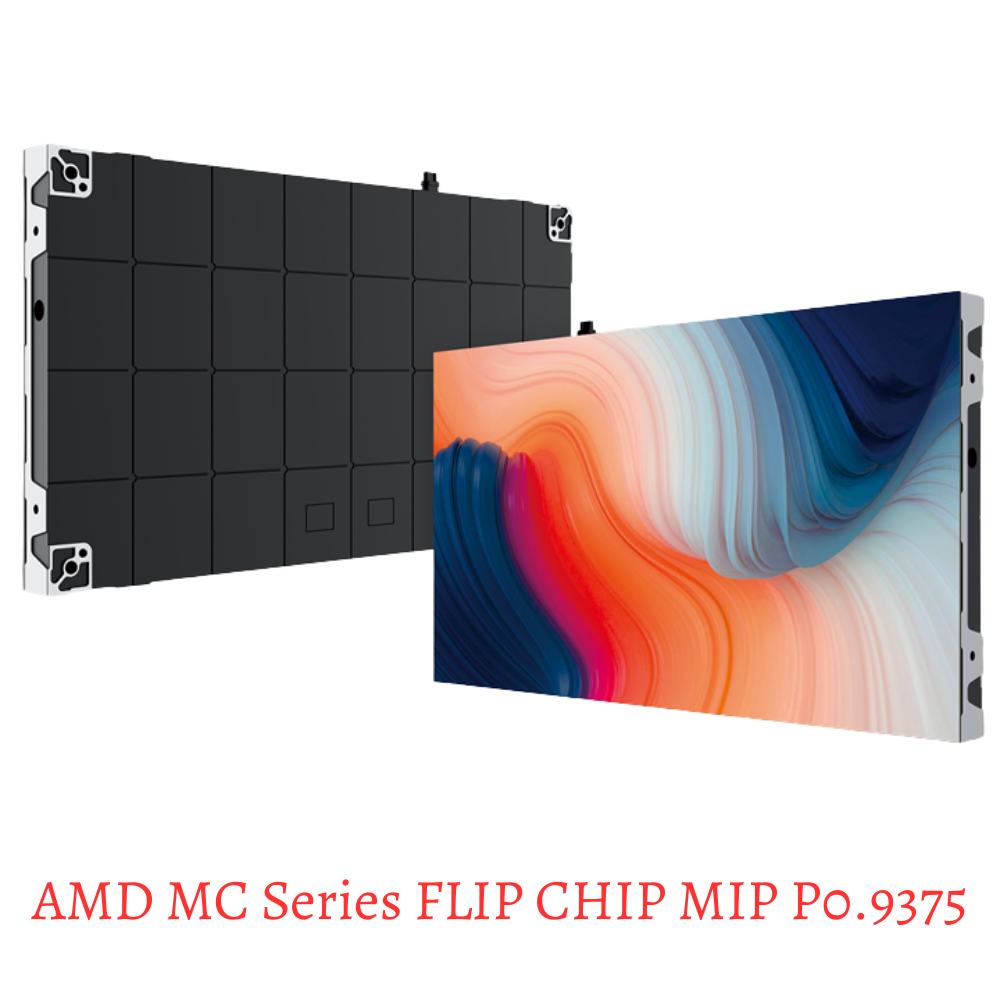
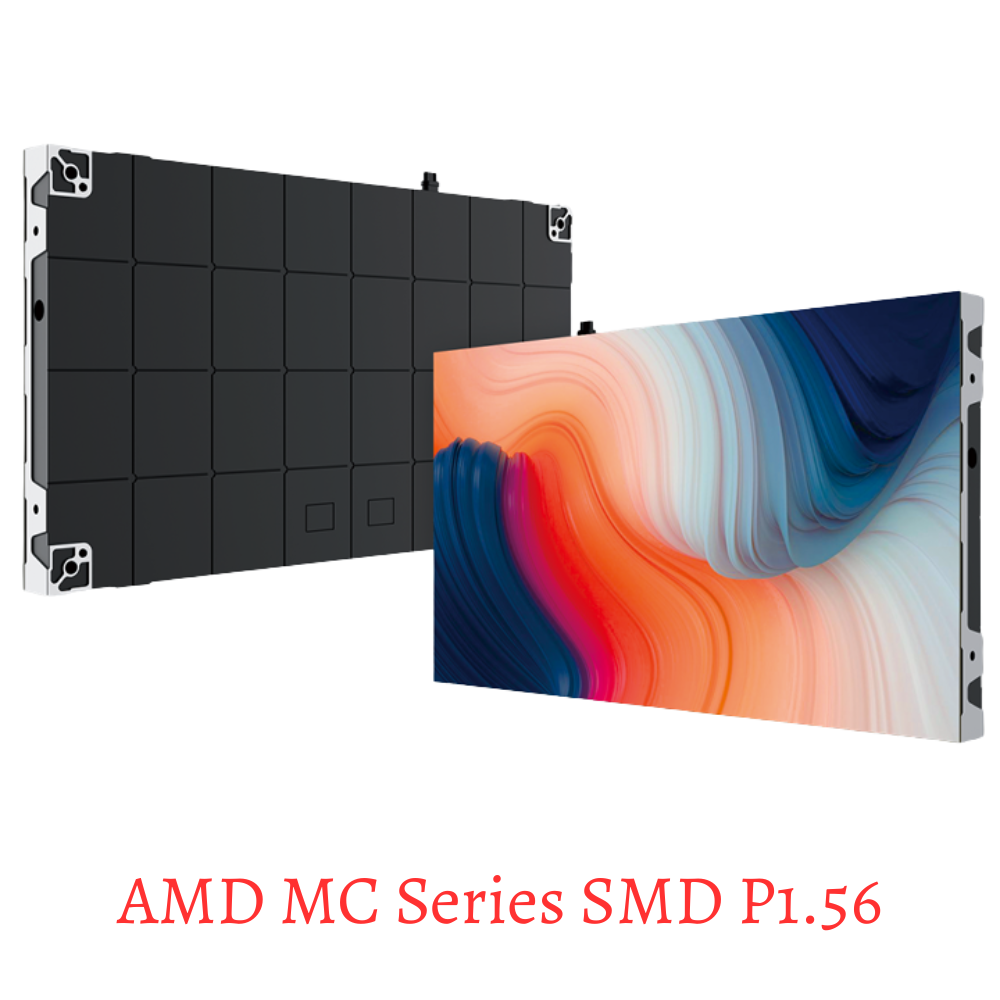
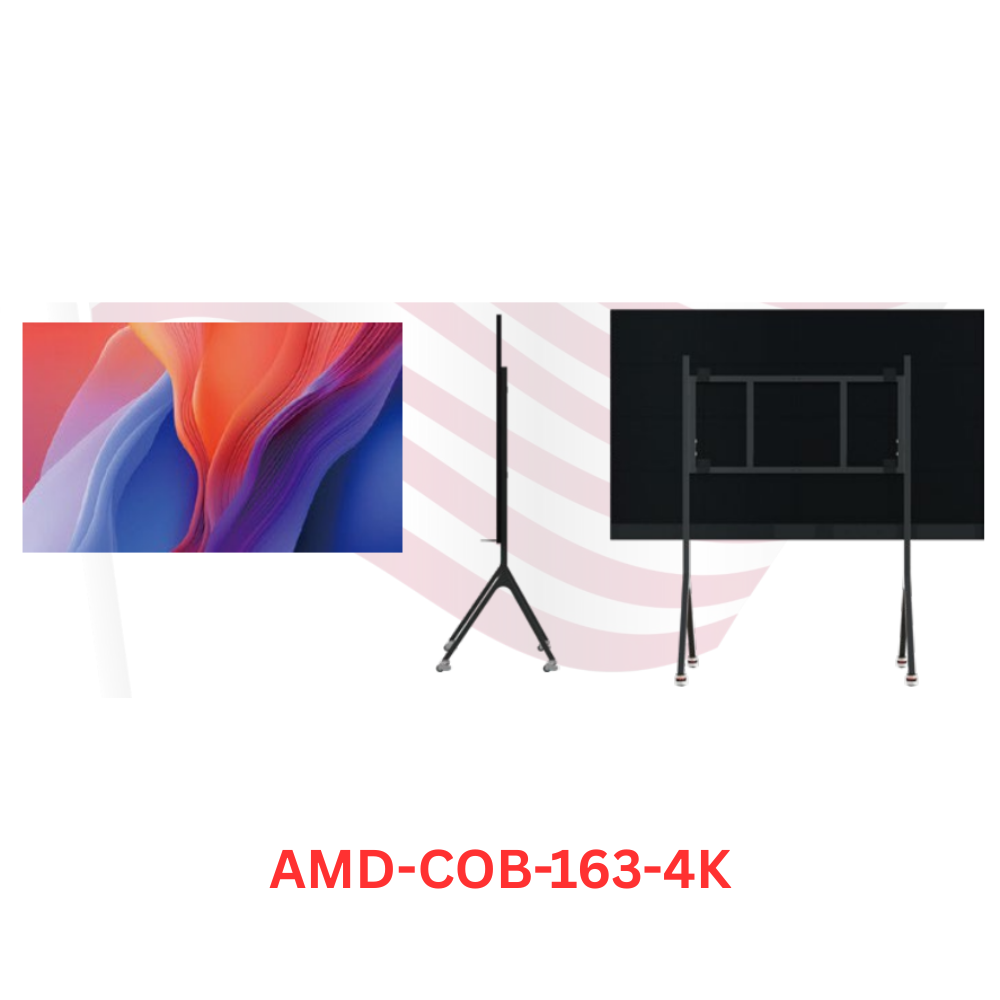
For large outdoor screens at the curb or parking structure, our weather-rated outdoor line covers the panels built to face the elements.
Frequently Asked Questions
What is digital signage for airports?
It is the connected network of screens that guides travelers and runs airport operations, from flight and gate boards to wayfinding, retail screens, and large LED walls.
How much does airport digital signage cost?
Display hardware costs roughly $30,000 to $150,000 for a small regional terminal and can run into the millions for a large hub. Flight-board software and installation are added on top.
What is a FIDS?
A Flight Information Display System pulls live flight data from the airport database and pushes it to every board automatically, so gates and delays update across the terminal at once.
What screens are best for an airport welcome wall?
A direct-view LED video wall, since it scales to any size with no seams and stays bright next to glass. Pixel pitch is matched to how close people stand.
Do you supply the flight-board software too?
No. We supply and install the LED display hardware. The Flight Information Display System software comes from a signage-software specialist, and the two work together on a project.
Ready to Get Started
Getting digital signage for airports right comes down to matching the screen to the zone, understanding which parts are hardware and which are software, and sizing the project honestly to your airport. Get the display side right, and it will run cleanly for years. When you are ready to plan the screens and LED walls for your terminal, our team can size them and provide a straight, itemized price.
