

In a government command room, the wall is the one picture the whole team works from. A 911 dispatch floor, an emergency operations center, a traffic management center, a fusion cell: each one puts a group of people in front of a shared display and asks them to make fast calls based on what they see. LED displays for government command rooms have to hold that picture steady, hour after hour and shift after shift, with no seam running down the middle and no panel that quits at 3 AM.
What a Command Room Asks of a Display
Three things separate a command room wall from a lobby screen or a conference display. Operators sit close to it and watch it for an entire shift, so the image has to stay sharp and easy on the eyes. The wall carries many live feeds at once, not a single slideshow. And it runs during the exact moments it matters most, so it cannot drop out mid-incident. Those three pressures drive almost every choice behind LED displays for government command rooms. They are also why a command center build-out is planned around the wall, not fitted around the furniture.
Why choose LED over a tiled LCD wall?
Many command rooms still run tiled LCD video walls, where several flat panels sit in a grid. Those panels have thin borders, so a map or a camera feed gets sliced by faint lines wherever two screens meet. A direct view LED wall has none of those breaks. It is one continuous surface, so a city map or a live feed lands clean across the whole wall. LED also holds even brightness and color from edge to edge, and it scales to nearly any size or shape the room needs. If you want the details on how direct view panels work, that is the technology sitting behind every modern command wall.
Pixel Pitch Follows the Operators
Pixel pitch is the gap between the LEDs, and it sets how close someone can stand before the image breaks into dots. In a command room, operators sit near the wall, often within six to twelve feet, so the pitch has to be fine. Most operator walls land between roughly 0.6 mm and 1.8 mm. The closer the nearest seat, the finer the pitch you need. A dispatch desk a few feet from the wall wants the tightest pitch available, while a larger operations floor with seats farther back can use a slightly coarser one and save budget. An LED video wall for government command rooms is usually specified from the nearest operator outward, not from the back of the room.
The Processor Behind the Wall Does the Heavy Work
The panels are only half the system. What makes a command room wall useful is the processor that drives it, because it decides how many sources appear and where. Operators need to pull up a dozen feeds, drop a camera view into one corner, enlarge a map in the center, and move a window from the wall to a desk and back. That is the job of a dedicated wall controller, which takes every input in the room and lays it out as a single operating picture. Specify the controller for the number of sources and the layout flexibility the room actually needs, rather than for the panel counts alone.
Built to Run 24/7 Without Going Dark
A command room wall is on every hour of every day, so it is built differently from a screen that powers down at night. Redundant power supplies and backup receiving cards keep the wall lit if a single part fails, and modules pull out from the front, so a technician can swap one without tearing the wall apart or waiting for rear access that a tight room does not have. The LEDs themselves are rated for around 100,000 hours, close to a decade of continuous use. LED displays for government command rooms earn their budget in these quiet details, the ones that keep the wall up through the shift that actually counts. This is the round-the-clock display duty that sets operator hardware apart from ordinary signage.
Buying LED Displays for Government Command Rooms
Federal and many state projects come with sourcing rules. The Trade Agreements Act and Buy American preferences decide which hardware qualifies for federal dollars, which rules out a lot of low-cost imports, so the wall should be specified against those rules from the first requirement. Accessibility matters too. Operator stations and any public-facing readouts fall under Section 508, which sets how displays and their controls stay usable for people with disabilities. Buying from a vetted US manufacturer keeps both the sourcing file and the compliance review clean, and it shortens the back and forth when procurement asks where every part came from.
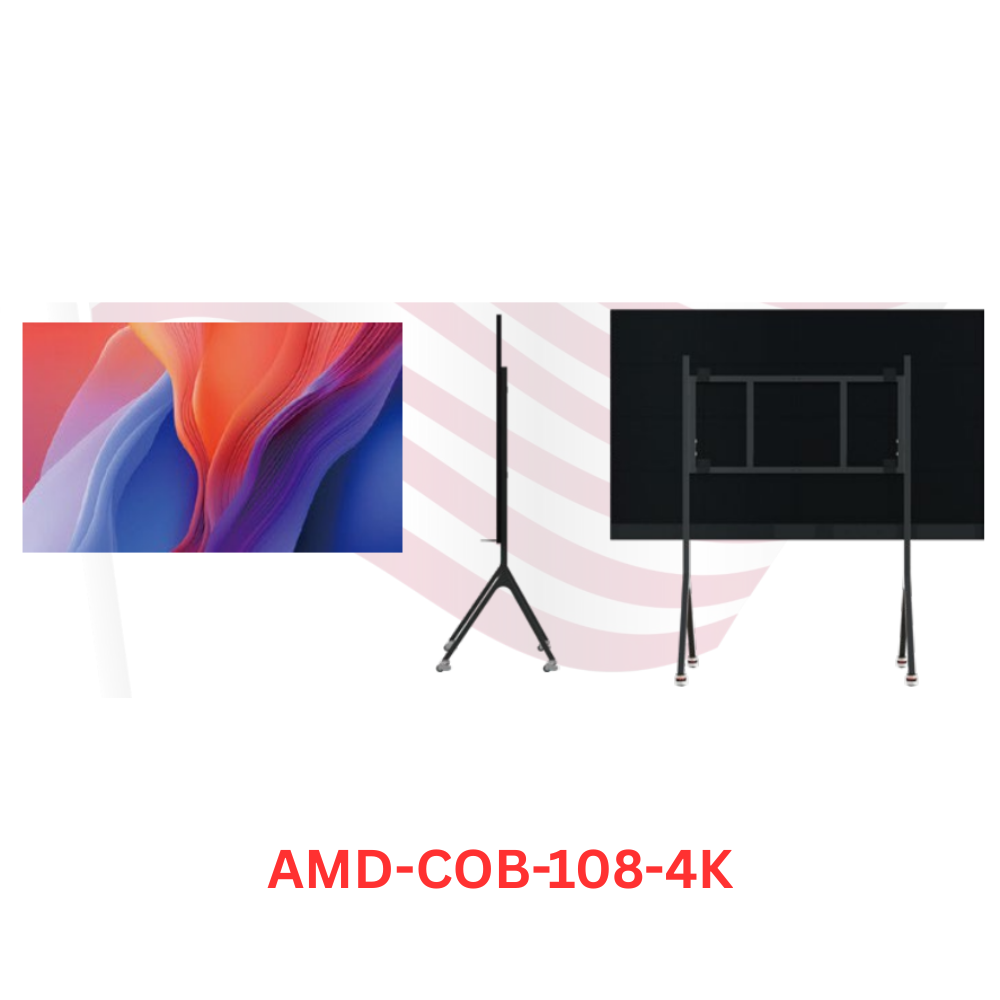
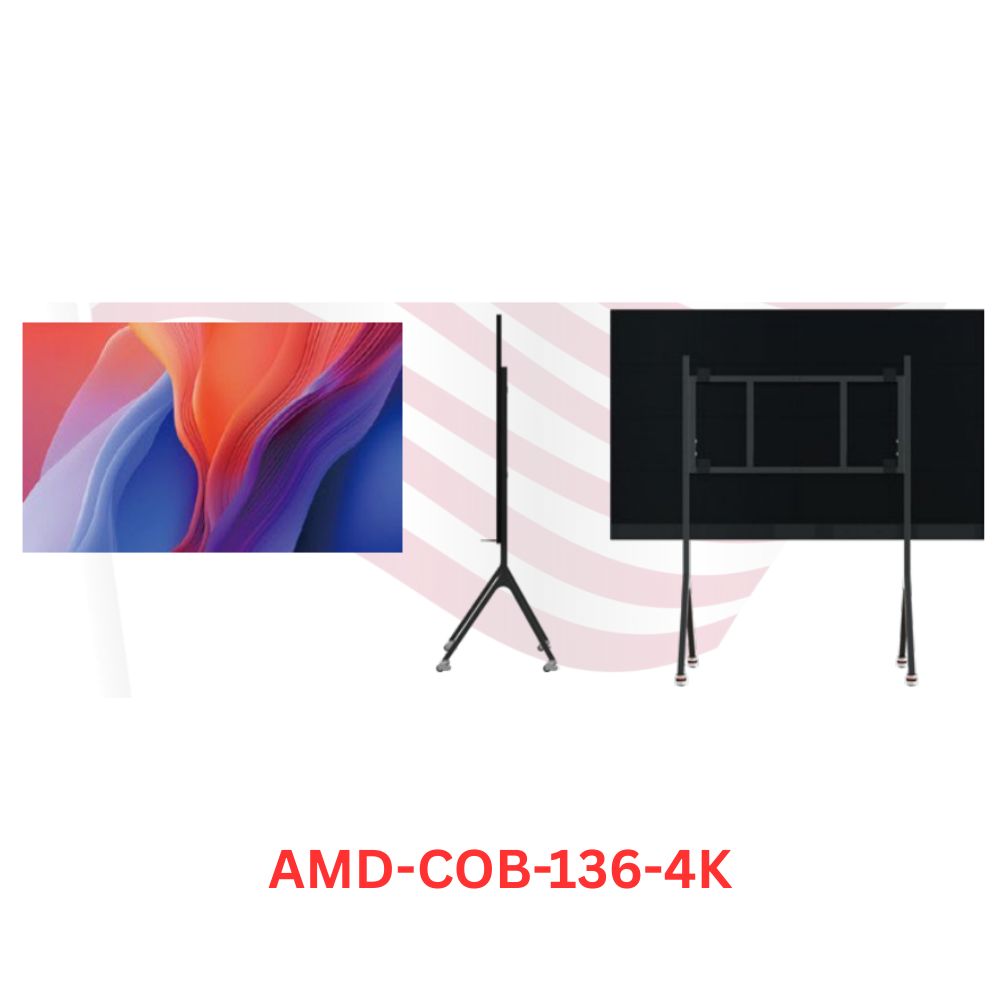
Three Walls Suited to Command Room Duty
These three indoor builds cover the range a command room usually needs, from an ultra fine operator wall to a larger shared display.

Frequently Asked Questions
What pixel pitch is best for a command room LED wall?
It depends on how close the nearest operators sit. Most command walls use a pitch between roughly 0.6 mm and 1.8 mm, with the finest pitch going to dispatch desks a few feet from the screen and a slightly coarser one working for seats farther back.
How is an LED wall better than a tiled LCD video wall?
An LED wall is one continuous surface with no bezel lines, so maps and camera feeds are not sliced by borders where panels meet. It also holds even brightness across the whole wall and scales to any size the room needs.
Can an LED screen for government command rooms run 24/7?
Yes. An LED screen for government command rooms is built with redundant power, backup receiving cards, and front serviceable modules so a single failure does not take the wall down, and the LEDs are rated for roughly 100,000 hours of use.
Are these displays TAA compliant for federal agencies?
They can be, and for federally funded work, they usually must be. Specifying TAA compliant hardware up front keeps the purchase from stalling when procurement reviews where each part was made.
How many sources can one command room wall show at once?
That is set by the wall processor, not the panels. A capable controller can place many live feeds on the wall at the same time, resize them, and move a window from the wall to an operator desk and back.
What size should a command room video wall be?
Size follows the room and the content. Start from the farthest operator who has to read the smallest detail, size the wall so that the detail is legible from there, then confirm the nearest seats are not so close that the pitch shows.
The Wall a Command Room Runs On
A command room is only as good as the picture it works from. Get the pixel pitch, the processor, and the 24/7 build right, and the wall quietly does its job through every ordinary shift and every bad night. LED displays for government command rooms are not the place to trim a budget, because the room makes real decisions based on that surface. Spec it for the operators who sit in front of it, and it will hold the line for the next decade.
Operator Grade · Fine Pitch · TAA Compliant
Building or Upgrading a Command Room Wall?
Send us the room layout, where the operators sit, and how many sources the wall has to show. We will recommend a pixel pitch, size the processor to match, and send pricing you can take straight to procurement.
