

An outdoor advertising led display screen is a bright, weatherproof digital screen that shows moving ads, offers, and messages to people outside. You have seen them at gas stations, car lots, stadiums, and on busy street corners. They pull eyes the way a printed banner never can, because the picture moves, changes, and stays sharp even in full sun.
Here is the problem. Most pages that show up when you search for one are just product lists with prices and no real help. They do not tell you how bright a screen needs to be, what it truly costs, or whether you even need a permit to put one up. This guide fixes that. By the end, you will know how these screens work, what drives the price, the rules you have to follow, and how to pick the right one for your business.
Quick Answer: An outdoor advertising LED display screen is a weatherproof digital screen, built from sealed LED modules, that shows bright moving ads outdoors. For full sun, you want 5,000 to 7,000 nits and an IP65-rated front panel. Cost depends mostly on size and pixel pitch, and most US cities require a sign permit before you install one.
What an Outdoor Advertising LED Display Screen Actually Is
Start with the basics, because the words get mixed up a lot.
An outdoor advertising LED screen is built from many small LED modules that lock together into one large surface. Each tiny LED makes its own light, so the screen runs very bright and shows one clean picture with no seams. It is sealed against rain, dust, heat, and cold, which is the part that separates it from a normal indoor screen or a regular TV.
People confuse three things here, so let me sort them out fast. A printed billboard is static and never changes. An outdoor LED digital advertising screen is a live screen you update whenever you want. And an LED panel for outdoor advertising is one piece of that screen, the module you tile together to build any size you need. When someone says LED display screen for advertising outdoor, they usually mean the whole finished screen, not the single panel.
Outdoor LED vs Outdoor LCD: Which One Do You Need
This is the choice almost no other guide helps with, and getting it wrong costs real money.
An outdoor LCD screen is basically a weatherproof TV. It comes in one fixed size, usually up to about 86 inches, and it works well for a menu board, a store window, or a single sign near where people stand. An outdoor LED wall, on the other hand, can be built to almost any size and shape, runs far brighter, and is meant to be seen from across a street or a parking lot.
Here is the simple rule. If you need one screen at a set size and viewers stand close, an outdoor LCD or an outdoor LED TV advertising unit does the job for less. If you need a big, bold display that grabs attention from far away, you want an LED wall. A quick way to compare:
| Question | Outdoor LCD screen | Outdoor LED wall |
| Size | Fixed, up to about 86 inches | Any size, tiled to fit |
| Brightness | Good | Much higher, better in direct sun |
| Viewing distance | Close to medium | Medium to far |
| Best for | Menus, windows, single signs | Storefronts, roadsides, large ads |
| Cost | Lower to start | Higher scales with size |
How Bright Does It Need to Be
Brightness is measured in nits, and outdoors, this number matters more than anything else. A screen that looks great in a lobby will wash out to a gray blur in the afternoon sun if the nits are too low.
Here is a plain guide you can use:
- Full direct sun, west or south facing. You want 5,000 to 7,000 nits. Anything less, and the picture fades when the sun hits it.
- Partial shade or under a canopy. Around 3,500 to 5,000 nits works well.
- Night use only, like a bar patio or a late-hours sign. 2,500 nits or so is plenty, and a good screen will dim itself at night so it does not blind people.
One feature to look for is an automatic brightness sensor. It reads the light around the screen and adjusts on its own. The display stays readable at noon and comfortable after dark. It also saves power, since the screen is not blasting full brightness when it does not need to. That energy saving is what makes a modern sustainable LED display for outdoor advertising cheaper to run than older screens, since it draws less electricity over its life. If you want one screen that can serve both a lobby and a storefront, a pixel indoor outdoor advertising LED video wall display screen is built to handle both settings with the right brightness for each.
Weatherproofing and IP Ratings, Explained Simply
An outdoor screen lives outside in rain, dust, and heat every day, so the seal around it is not a small detail. This is where the IP rating comes in.
IP stands for Ingress Protection, and it is written as two numbers, like IP65. The first number is protection from solids like dust, on a scale of up to 6. The second is protection from water, on a scale of up to 8. So IP65 means fully dust-tight and able to handle water jets from any direction. For a front panel facing the weather, IP65 is the mark to look for. Many quality screens go further, with the front rated IP65 and the back rated IP66 for extra sealing.
The benefits of weatherproof LED signs for outdoor advertising are easy to see. A properly sealed screen shrugs off storms, keeps working in summer heat and winter cold, and does not short out or corrode. That sealing is a big part of why a good outdoor screen keeps running for years instead of failing after one bad season.
Pixel Pitch and Viewing Distance
Pixel pitch is the gap between two LEDs, measured in millimeters. A smaller number means the LEDs sit closer together, so the picture is sharper, and the screen costs more.
The trick is to match the pitch to how far away people stand. You do not need a razor-sharp screen if the audience is 60 feet away in cars, and paying for one wastes money. Two common outdoor choices show the idea:
- Outdoor advertising P6 LED screens. A 6 mm pitch. A solid, budget-friendly pick for roadside signs and parking lots where viewers are a good distance back.
- P8 outdoor advertising LED wall. An 8 mm pitch. Made for large walls seen from far away, like highway-facing signs, where a wider pitch keeps the cost down without hurting the view.
For close-up spots like a storefront where people walk right past, a tighter pitch, such as P3 or P4, looks better. Our LED wall calculator will match the pitch to your exact viewing distance in about a minute, so you do not overpay for pixels nobody can see.
What an Outdoor Advertising LED Display Screen Costs
Here is the honest answer nobody else gives you: the outdoor advertising led display screen price depends mostly on size and pixel pitch, and the screen itself is only part of the bill.
Three things drive the cost of the screen:
- Pixel pitch. A tighter pitch has more LEDs packed in, so it costs more per square foot.
- Total size. Screens are priced by the square foot or the cabinet, so a bigger wall costs more.
- Brightness and build. Higher nits and stronger weather sealing add to the price, and they are worth it outdoors.
Then there is the part that buyers forget. Your total project cost also includes a video processor, mounts or a steel structure, cabling, power work, and installation labor. On a large outdoor wall, the surrounding work can add a big share on top of the panels. A single fixed outdoor LCD sign might start in the low thousands. A large custom LED wall can run well into six figures. The number swings too much for one figure to mean anything. That is exactly why a real quote based on your size and site beats any price you read online.
Permits, Sign Codes, and Brightness Rules
This is the topic every other article skips, and skipping it is how projects get shut down after the money is spent.
Most US cities regulate outdoor advertising screens. Rules cover how big the sign can be, how bright it can run at night, how fast the content can change, and whether digital signs are even allowed in your zone at all. Many places cap nighttime brightness and require the screen to dim after dark. Some ban flashing or fast transitions near roads for driver safety.
Before you buy anything, call your local planning or zoning office and ask about digital sign permits for your address. It costs nothing, and it saves you from buying a screen you cannot legally turn on. A good supplier will also help you spec a screen that meets common brightness and dimming rules, so you stay on the right side of the code from day one.
How You Actually Run the Ads
A screen is only useful if you can change what it shows without a headache. This is the operations side, and it is worth checking before you buy.
Most outdoor LED screens run through a content management system, or CMS. From a computer or a phone, you upload images and videos, build a playlist, and schedule what shows and when. You can run a breakfast menu in the morning and switch to happy hour deals by afternoon, all on a timer, without touching the screen. Many systems, including setups built on NovaStar processors, let you manage everything remotely, so one person can update several screens across different sites from one place. Ask any supplier how their CMS works and whether you can schedule content, because a screen you cannot easily update is a screen you will stop using.
Best Uses by Business Type
Outdoor LED display advertising applications are wide, but the right screen changes with the job. Here is a quick read on common cases:
- Gas stations and convenience stores. Bright roadside screens for fuel prices and in-store deals. High nits matter most here.
- Car dealerships. Large walls along the road to show inventory and offers to passing traffic.
- Restaurants and bars. Patio and window screens for menus and specials are often smaller and closer to viewers.
- Retail and shopping centers. Entrance and parking-lot screens to pull in foot traffic.
- Stadiums and event venues. Big format walls where the crowd sits far back, so a wider pixel pitch fits.
- Churches and schools. Roadside message boards for events and announcements to the community.
3D and Flexible Outdoor LED Screens
Some businesses go further with eye-catching formats. A 3D outdoor advertising LED display screen uses a curved or corner build with special content to make images look like they pop out of the screen. In the city center, it draws huge attention. And if you need a screen that wraps around a pillar or a curved wall, flexible LED panels bend to the shape. So, how do flexible LED screens work for outdoor curved advertising? The modules sit on a bendable base, so they follow a curve that flat panels cannot.
A Real Example: The Corner Car Wash
Here is how this plays out in real life. Picture a car wash on a busy four-lane road. For years, the owner used a plastic sign with slide-in letters to post the wash price. Cars flew past and barely noticed it.
The owner switched to a roadside outdoor LED screen, a P6 wall about eight feet wide, rated at 6,000 nits with an automatic brightness sensor. Now the screen earns its spot. It shows the wash price in the morning, switches to a wax upsell in the afternoon, and runs a bright loyalty club message in the evening. All of it runs on a schedule set once from a laptop. Because the owner checked the city sign code first, the screen dims at night to meet the local brightness rule, so there were no complaints and no fines. The point is not the screen alone. The owner matched the brightness to a sunny road. He picked a pixel pitch that fit the viewing distance. And he cleared the permit before buying. That is the whole formula in one story.
How to Pick a Long-Lifespan Outdoor LED Advertising Screen Supplier
The screen is half of what you buy. The supplier behind it decides how well it runs for the next ten years. When you compare LED outdoor advertising screens manufacturers, ask these questions:
- Support. Can you reach a real person when a module fails two years from now?
- Spare parts. Modules do wear out. Ask how fast replacements ship.
- Brightness and sealing. Confirm the nits and the IP rating match your site.
- Install help. Mounting a large outdoor wall is precise, heavy work. A supplier who has done it before saves you money and rework.
- US-based service. A long-lifespan outdoor LED advertising screen supplier with local support beats a cheaper overseas seller, as you cannot reach them when something breaks.
We also build custom LED display setups for odd shapes and sizes. Wondering where I can find outdoor LED video screens for advertising that come with real US support? You can browse our full range of outdoor LED screens to see what fits.
Our Outdoor LED Advertising Screens
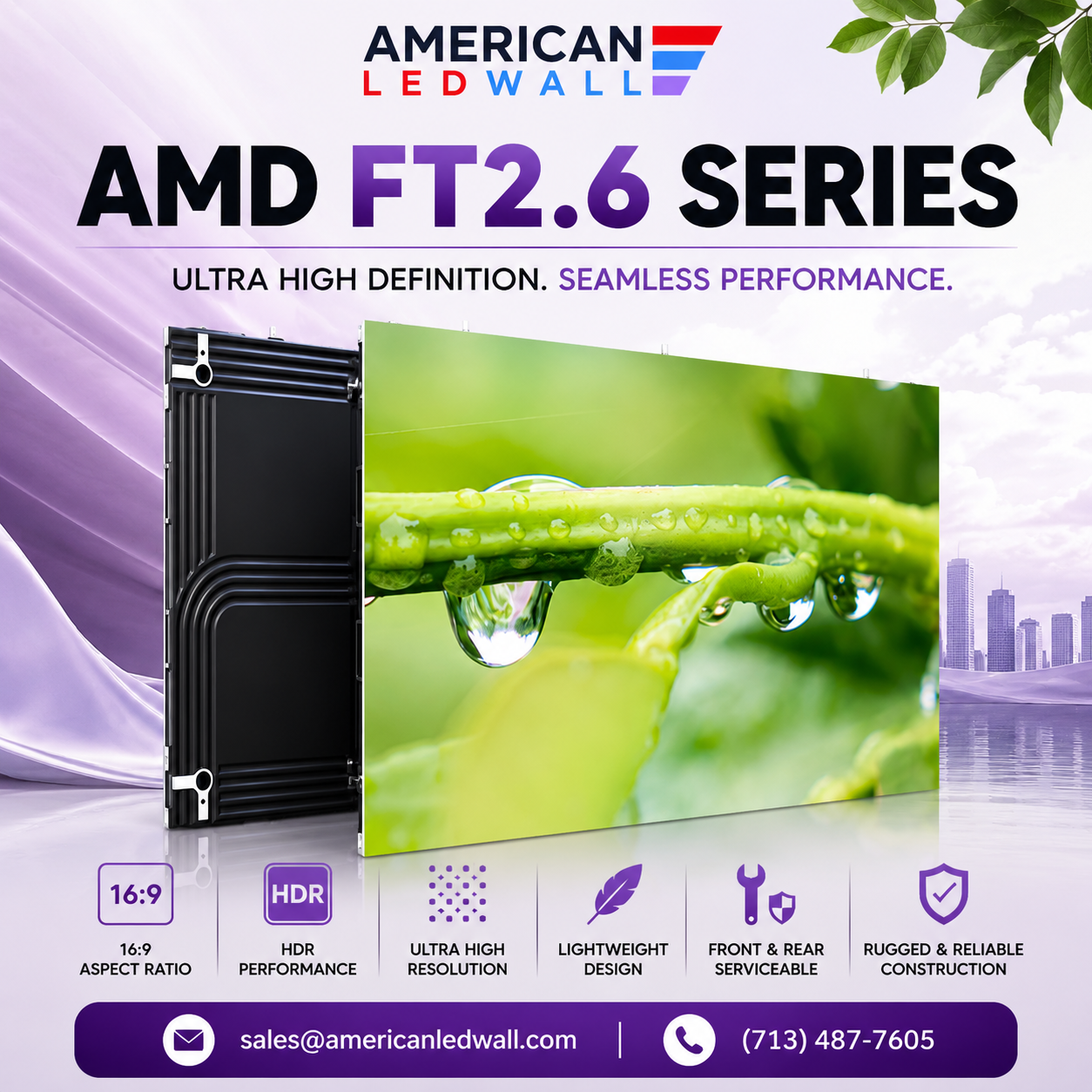
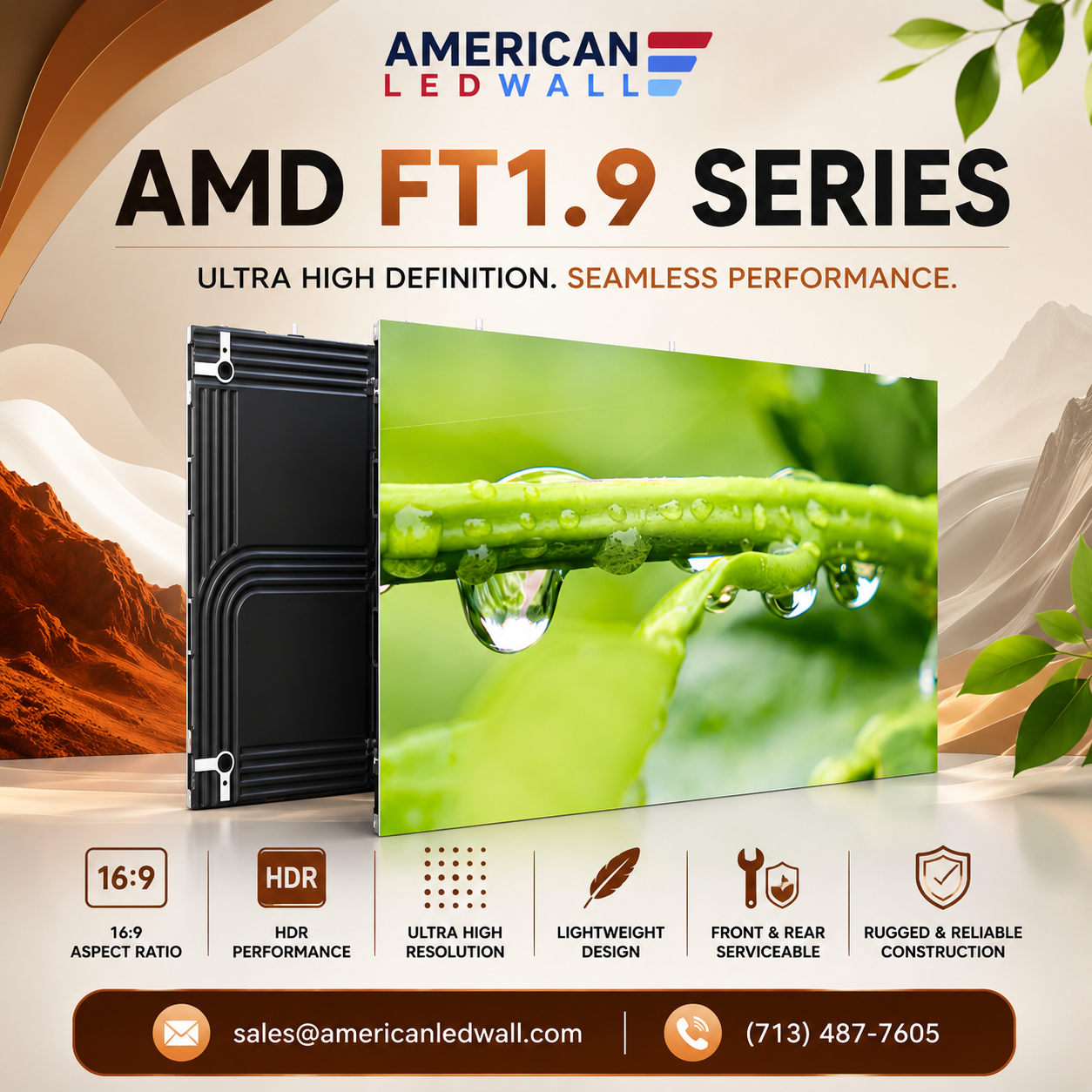
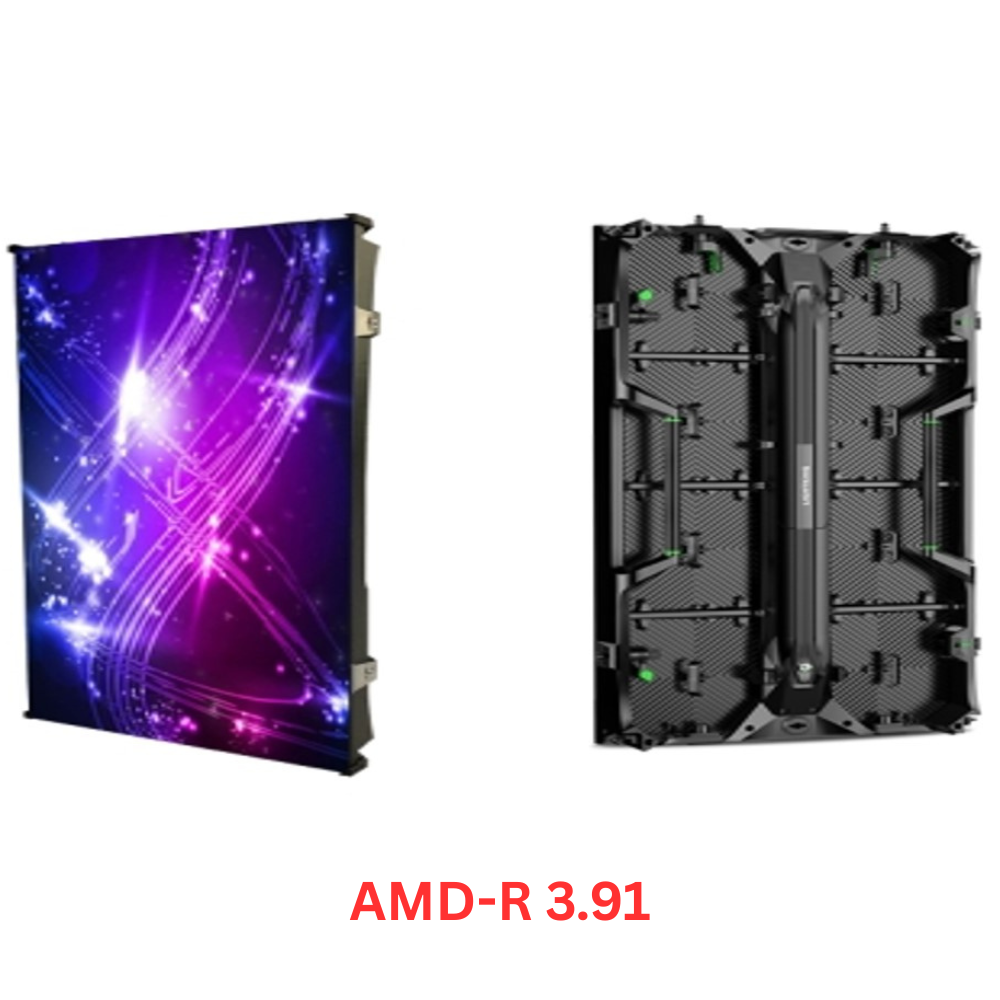
Here are a few options that suit outdoor advertising work. Sizes and pixel pitches vary, so tell us your site and viewing distance, and we will point you to the right fit.
For indoor spaces, you can also see our indoor LED video walls, which cover lobbies, retail, and meeting rooms.
A Short Checklist Before You Buy
Measure the distance from the screen to where viewers stand or drive. That sets your pixel pitch and most of your budget.
Check the direction the screen faces and how much sun it gets. That sets the brightness you need.
Call your city planning office about a digital sign permit for your address before you spend a dollar.
Then get one full quote with the panels, processor, mounts, cabling, and install all included, so the price reflects what you actually pay.
Final Word
An outdoor advertising led display screen is one of the strongest tools a business has to get noticed, but the right screen depends on your sun, your viewing distance, your local rules, and your budget. Get those four right and the screen will earn its keep for years. When you are ready to plan one, our team can help you match the screen to your site and give you a real number, not a guess.
Frequently Asked Questions
How much does an outdoor advertising LED screen cost?
It depends on size and pixel pitch, and the total also includes a processor, mounts, and installation. A real quote based on your site is the only accurate number.
How many nits does an outdoor LED screen need?
For full direct sun, aim for 5,000 to 7,000 nits. For shaded or night-only spots, 2,500 to 3,500 nits is enough.
Do I need a permit for an outdoor advertising LED screen?
Usually yes. Most US cities regulate size, brightness, and content speed, so check with your local planning office before you buy.
What is the difference between P6 and P8 outdoor LED screens?
P6 has a 6 mm pixel gap for a sharper close view, while P8 has an 8 mm gap for large walls seen from far away at a lower cost.
How do I update the ads on the screen?
You use a content management system to upload and schedule images and videos from a computer or phone, on-site or remotely.
