

Picture a screen mounted on the front of a county building. At two in the afternoon, it pushes a heat advisory into full July glare. At two in the morning, in a January storm, it switches to a road closure map. Nobody resets it. Nobody shelters it. A government outdoor LED screen does a public job in whatever the sky is doing, year after year, and it has to clear a procurement file before it ever switches on. That double demand, survive the environment and satisfy the rulebook, is what separates an outdoor civic display from the one in the lobby.
An Outdoor Screen Lives a Harder Life Than the One Inside
A government outdoor LED screen faces direct sun, rain, wind, freeze and thaw, and a duty cycle that often runs around the clock. The one inside sits in climate control, soft light, and predictable hours. Move the same panel outdoors, and almost none of the indoor assumptions carry over. The electronics have to be sealed. The brightness has to climb several times over. The steel behind the screen has to hold against the wind. If you have specced indoor government displays before, treat the outdoor version as a different animal that happens to share a name.
The Weather Writes the First Half of the Spec
Before any content question, the environment sets a hardware floor. This is where government LED display solutions either hold up for a decade or start failing in the first bad season.
- Brightness needs to clear roughly 5,000 to 8,000 nits so the screen stays readable with the sun behind the viewer. An indoor wall might sit near 1,000. Pair the brightness with an ambient light sensor so the panel dims after dark instead of blinding drivers and neighbors.
- Sealing should read IP65 on the front face, which means dust cannot get in, and water jets cannot either. That rating is the line between a screen that shrugs off a storm and one that fogs or shorts.
- The temperature range should cover a wide band, roughly minus 20 to plus 60 degrees Celsius, with heat management built in, so a cold snap or a heat wave does not take the screen offline.
- Wind and structure matter as much as the panel. Outdoor cabinets carry real weight and catch real wind, so the mount and the steel behind the display have to be engineered for the site.
- Always on means redundant parts. Public screens often run 24/7, so backup power supplies and spare receiving cards keep one failure from blacking out a live message.
Get this layer right, and the rest is content and compliance. Get it wrong, and no amount of software saves the install. For the panels built to take this punishment, see our outdoor LED video walls.
Pixel Pitch Outdoors Is Mostly About Distance
Outdoors, people usually stand or drive farther from the screen, so a coarser pixel pitch reads fine and costs less. The farther the nearest viewer, the larger the pitch you can use before anyone sees individual dots.
| Where the screen sits | Nearest viewer | Sensible pitch |
|---|---|---|
| Building entrance, close plaza | Under 30 feet | 2.5 to 4 mm |
| Open plaza, campus quad | 30 to 80 feet | 4 to 6 mm |
| Roadway approach, parking lot | 80 feet and up | 6 to 10 mm |
Pushing a fine pitch onto a screen nobody stands close to just spends money on detail, the distance throws away. For how pitch and size move a budget, see what outdoor screens cost.
The Rules That Start Once the Screen Faces the Public
A government outdoor LED screen answers to more than the facilities budget. Four rule areas decide whether it can go up and stay up.
Roadway signs come first if the screen sits along a public road or shows traffic and travel information. The Federal Highway Administration Manual on Uniform Traffic Control Devices sets how a changeable message sign has to read, how long a message can hold, and how bright it can be after dark. A civic screen near a road is not exempt just because the agency owns it.
Emergency alerting is where a civic screen earns its keep. It can be wired to pull from the same federal stream that drives phone and broadcast warnings, the FEMA Integrated Public Alert and Warning System, so an evacuation order reaches the people walking past the building the same moment it hits phones and televisions. The same feed can mirror to agency command centers, so the team managing the response sees exactly what the public sees.
Readability for everyone is a legal and practical requirement, not a nicety. The US Access Board publishes legibility guidance for variable message signs, covering character height against viewing distance and the contrast a message needs. A sign only works if every passerby can actually read it.
Sourcing closes the loop. Federal dollars come with strings, and the Trade Agreements Act and Buy American preferences decide whose hardware qualifies. That rules out a lot of low-cost imports. Most serious outdoor LED video wall for government work is specified as TAA-compliant hardware from the first line of the requirement, which keeps the purchase from stalling in review.
Outdoor Builds Worth a Look
Three panels cover most outdoor civic work, from roadway distance down to a crisp image at a building entrance.
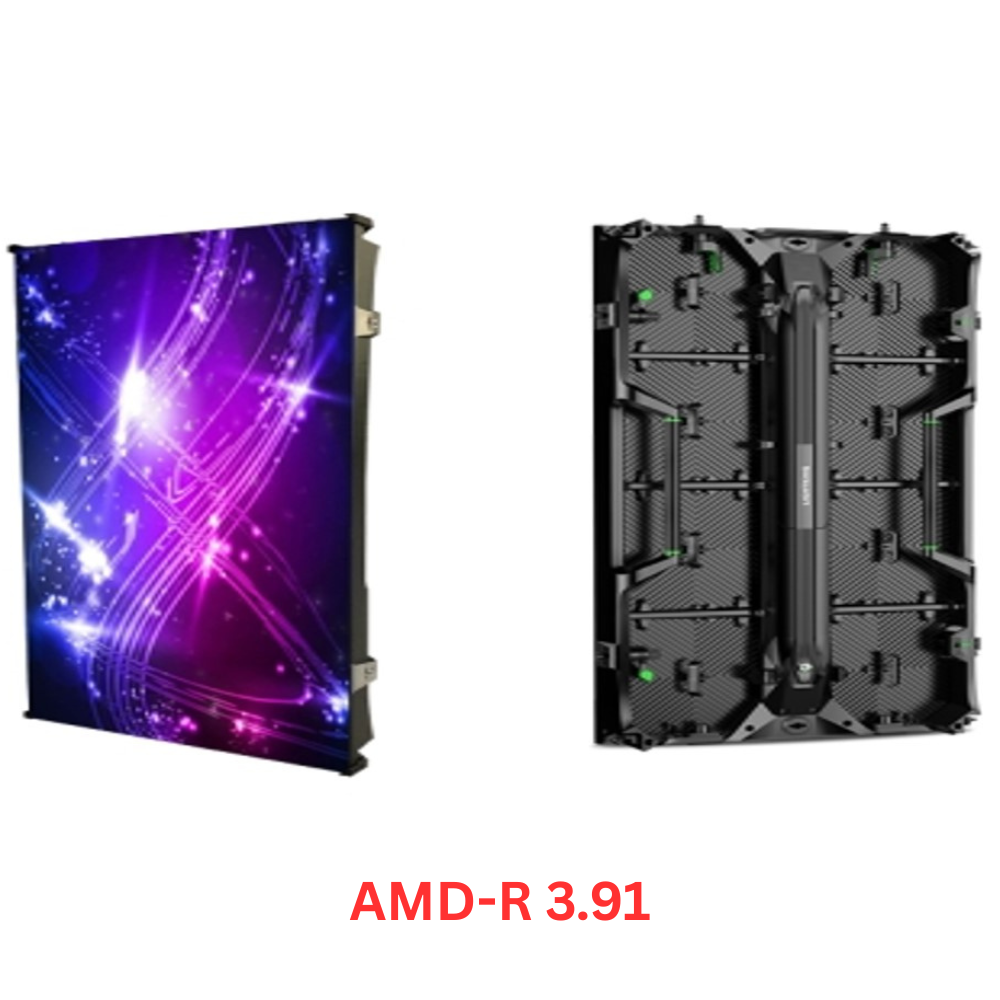
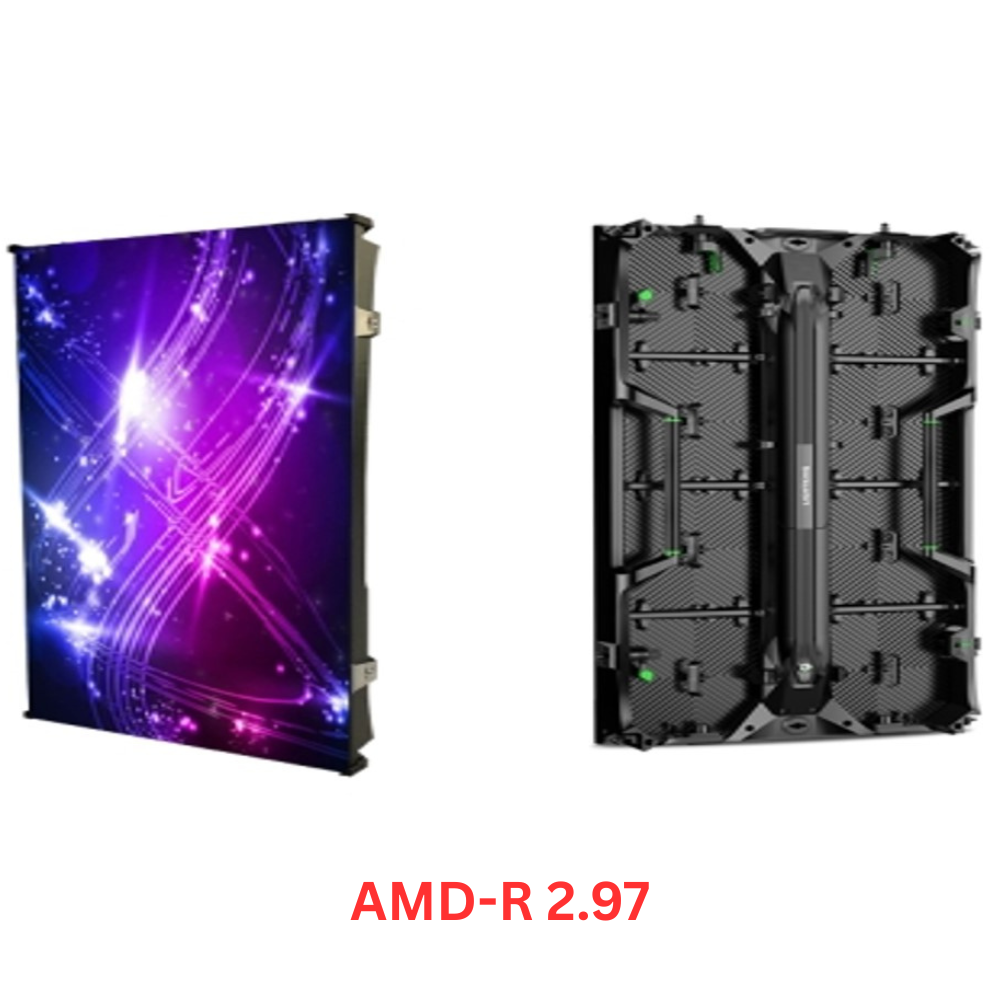

What to Settle Before You Spec a Government Outdoor LED Screen
Five answers turn a vague inquiry into an accurate quote.
- Sightlines: where the nearest and farthest viewers stand, which sets pitch and overall size.
- The mount: wall, pole, or freestanding, and whether the structure and wind rating are engineered for it.
- Power and conduit: a 24/7 outdoor screen needs its own circuit and a weatherproof path for cable.
- The network: a screen that carries alerts needs a dependable data path to the alert feed and the content system.
- Service access: front service panels matter when there is no room to stand behind the screen.
Have those five ready, and the quote comes back right the first time.
Frequently Asked Questions
How bright does an outdoor LED screen need to be?
Most run between about 5,000 and 8,000 nits, so they stay readable in direct sun, with an ambient sensor that dims them at night so they do not blind drivers or neighbors.
What IP rating should an outdoor government display have?
Look for IP65 on the front face. It means the panel is dust-tight and stands up to water jets, which is the standard for a screen that lives in the weather full-time.
Can an outdoor screen show emergency alerts on its own?
Yes. It can be set to pull from FEMA public alert feeds and switch to a warning automatically, then return to normal content once the alert clears.
How long does an outdoor LED screen last?
The LEDs are rated for around 100,000 hours, roughly a decade of continuous use, though brightness fades slowly across that span and factors into refresh planning.
Are outdoor government screens TAA compliant?
They can be, and for federally funded projects, they usually must be. Specify TAA compliance before you buy so the purchase clears procurement review without a rework.
What pixel pitch works for a screen seen from the road?
From 80 feet or more, a 6 to 10 mm pitch reads cleanly and costs less than a fine pitch that the viewing distance would waste.
The Real Test Comes After the Ribbon Cutting
A government outdoor LED screen looks finished on install day. The real verdict lands the first winter, the first heat wave, the first time a storm rolls in during a live alert. A screen spec for the environment and bought clean against the sourcing rules keeps doing its public job while a cheaper one is already dark. Put the attention on the weather and the paperwork now, and the screen quietly earns its spot for the next ten years.
