
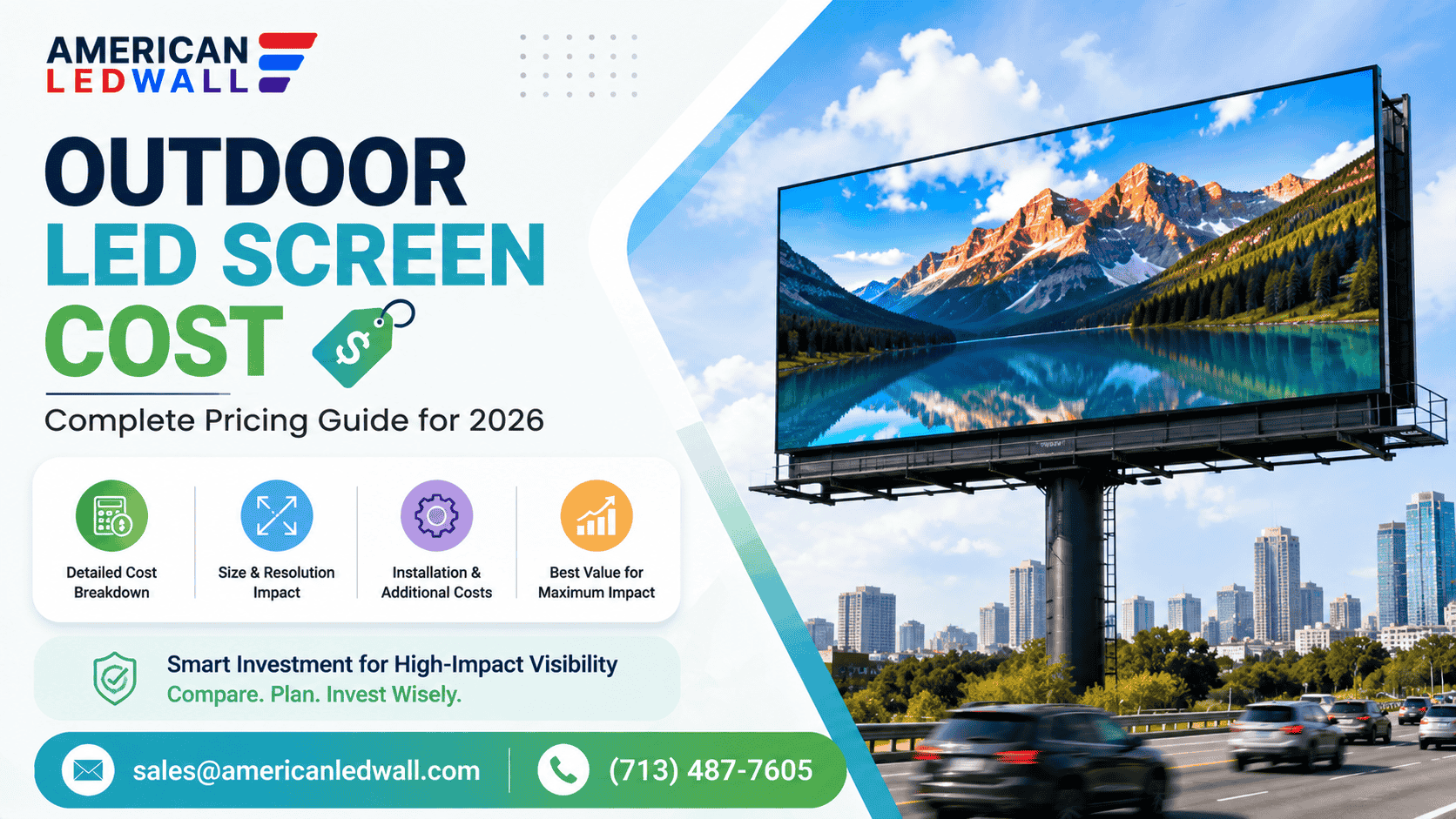
Outdoor LED screen cost is one of those numbers that seems to change every time you ask, and there is a good reason for it. An outdoor LED screen is not one product. The label covers a small bright sign outside a coffee shop, a video wall across a mall front, a highway billboard, and the giant board hanging over a stadium end zone. Those are wildly different builds, so their prices sit wildly far apart. Before you can budget, you have to know which one you are actually buying.
This guide sorts that out by the kind of screen you need. You will get honest US ranges for each type and size, the handful of things that move the price, what it costs to run once it is up, and one real project priced from screen to switch-on. No scare tactics, no invented lab stats, just the numbers a US business should plan around.
The Range in One Line
Here is the short version for anyone in a hurry. Most outdoor LED screens in the US land between about $15,000 for a small storefront sign and $500,000 or more for a large stadium or highway display, installed. Size and resolution move that number more than anything else. A quick look by size:
These are installed figures, not screen-only prices. The bare panel is a smaller slice, and the rest goes to structure, power, and labor, which the sections below break down.
First, Nail Down Which Screen You Are Buying
Most buyers skip this step, and it is exactly why their quotes come back all over the map. Five kinds of outdoor screen cover nearly every project, and each carries its own price logic.
A storefront or signage screen is the small, bright display outside a shop, a gas station, or a restaurant, usually wall-mounted and read from the sidewalk or a passing lane. These are the most affordable outdoor screens, often $15,000 to $60,000 depending on size and sharpness.
An outdoor video wall is a larger tiled surface for a mall entrance, a corporate campus, or a plaza, built to carry rich content to a crowd. Price tracks size and pitch closely, and if you are weighing one, what indoor and outdoor video walls run works the per-square-foot math in more detail.
A roadside billboard is a freestanding board on a pole by the highway, and it plays by different rules, because the steel column and concrete footing often cost as much as the screen. That build earns its own page, so we priced a roadside billboard start to finish on its own.
A stadium or venue display is the scoreboard or ribbon board at a school, a college, or a pro venue, where size and brightness push the total into six figures quickly.
A building or architectural screen wraps a facade or a corner, sometimes curved, and usually needs a screen shaped to your exact structure, which adds design and engineering on top.
Settle your type before you price anything. A figure that is fair for a stadium board is highway robbery for a coffee-shop sign.
Four Things Decide Most of It
Within any one type, four factors explain the spread between a cheap quote and an expensive one.
Resolution leads. Screens are rated by pixel pitch, the millimeter gap between one pixel and the next. Tighter pitch gives a sharper close-up image and costs more, while wider pitch reads clean from a distance for less. A screen people scan from 200 feet at highway speed needs far fewer pixels than one they study from ten feet at a mall door, so paying for fine pitch on a faraway screen is money you never get back.
Size is the plain one: more square footage means more panels, more power, and more structure to hold it. Brightness comes next, since an outdoor screen has to beat direct sun, so it runs at several thousand nits and costs more per square foot than an indoor panel that never fights daylight. The mount decides the rest. Bolting a screen to an existing wall skips the pole, the footing, and most of the crane, while a freestanding structure adds a steel column, a deep base, and a power run that can rival the screen itself.
Outdoor LED Screen Cost Per Square Foot
The cost of outdoor LED screen hardware is easiest to compare per square foot. If you just want to ballpark it, work from square footage. Outdoor screen hardware commonly runs a few hundred dollars per square foot, climbing as pixel pitch tightens and brightness rises. A coarse-pitch highway panel might sit near $300 to $500 per square foot for the screen alone, while a fine-pitch storefront screen can pass $900.
Then, on a freestanding build, add roughly that much again for structure and installation. It is rough, but it gets you a planning figure before a single vendor call. To sharpen it for your exact size and pitch, our wall-planning tool lays out the panel count in about a minute.
The Costs That Never Make the Sticker
The screen price a vendor quotes first is rarely the price you pay. On an outdoor job, several real costs ride underneath, and planning for them early keeps the project from stalling in month two.
- Structure: A wall bracket is cheap, but a pole and foundation for a freestanding board can run $20,000 to $35,000.
- Electrical: A large screen often needs a new circuit or a service upgrade plus trenching, so plan on $5,000 to $15,000.
- Permits and Engineering: Many US cities cap digital signs or demand a structural stamp, commonly $3,000 to $10,000.
- Content Software: Scheduling and updating the screen is usually a subscription, roughly $10 to $100 per screen each month.
- Crane and Labor: Lifting and aligning outdoor panels is skilled work, often costing $8,000 to $15,000 on a pole build.
None of this is meant to scare you off a screen. It is simply the difference between a budget that holds and one that doubles after the deposit is paid.
Power, Upkeep, and the Ten-Year Number
The cost of an outdoor LED screen does not stop at installation. Power, upkeep, and software follow you for a decade, and all three are easy to estimate.
Power is the main running cost. Take the running wattage of the screen, multiply by daily hours, then by thirty, then by your electricity rate, and divide by a thousand for a monthly figure. A mid-size storefront screen pulling around 3 kW, running 12 hours a day, at the commercial average of about 13 to 14 cents per kilowatt-hour reported by the US Energy Information Administration, costs near $150 a month. Auto-dimming after dark trims that a good deal, so ask any vendor whether the screen dims itself.
Upkeep stays light. Outdoor screens are modular, so a dead tile or power supply gets swapped on its own instead of pulling the whole wall. Keep a small yearly parts reserve. A quality outdoor screen runs about 100,000 hours, roughly a decade, before its brightness fades enough to think about a refresh. Add power, software, and that reserve over ten years, and a mid-size storefront screen that installs for $60,000 tends to cost near $85,000 to $95,000 to own and run over the decade. The sticker never shows you that second number.
What a Garden Center Actually Paid
Numbers make more sense with a real one. A family-run garden center on a four-lane suburban road wanted an outdoor screen to push seasonal sales, mums in the fall, poinsettias in December, mulch and annuals in spring. They chose a 10 by 16 foot screen at 8 mm pitch, wall-mounted on the front of their main building so they could skip a pole.
The screen itself came in at nearly $34,000. Because it hung on an existing wall, structure and rigging stayed low, about $9,000 for mounting, electrical, and a half-day crane. Permits and a content license added another $4,000. All in, the project landed around $47,000, and it runs them roughly $140 a month in power since they dim it overnight. The move that saved them the most was not talking the screen down on price. It was choosing a wall mount over a freestanding pole, which would have added thirty grand for a column and footing they simply did not need. Match the screen to the site, and the site does half your cost-cutting for you.
Do You Even Need to Own One?
Worth asking before you spend a cent. If you only need an outdoor screen for a weekend festival, a county fair, or a single event, renting beats buying by a mile, often a few thousand dollars for the weekend against tens of thousands to own. A rental skips the structure, the permits, and the upkeep completely.
Owning wins when the screen earns its keep every day. A business that runs its own promotions on the same screen for years pays it off and then runs it nearly free. The rough test: if you would otherwise spend, say, $3,000 a month on other advertising the screen replaces, a $60,000 owned screen pays for itself in under two years, and after that the space is yours. If the screen sits dark most days, rent it instead.
Three Quick Checks Before You Sign
Two outdoor screens of the same size can differ two or three times in price, and the gap usually hides in parts you cannot spot in a photo. Before you commit, confirm three things:
- The IP rating reads IP65 front and back. Anything lower will not survive a wet season outside.
- The brightness is stated in nits, and it exceeds 5,000 for any screen that faces the sun.
- Spare modules and a real warranty, at least two years, are included in the price, not sold separately after the crane leaves.
A quote far below the rest of the pack is not automatically worse, but it earns a hard second look at those three lines.
Where to Start in Our Lineup
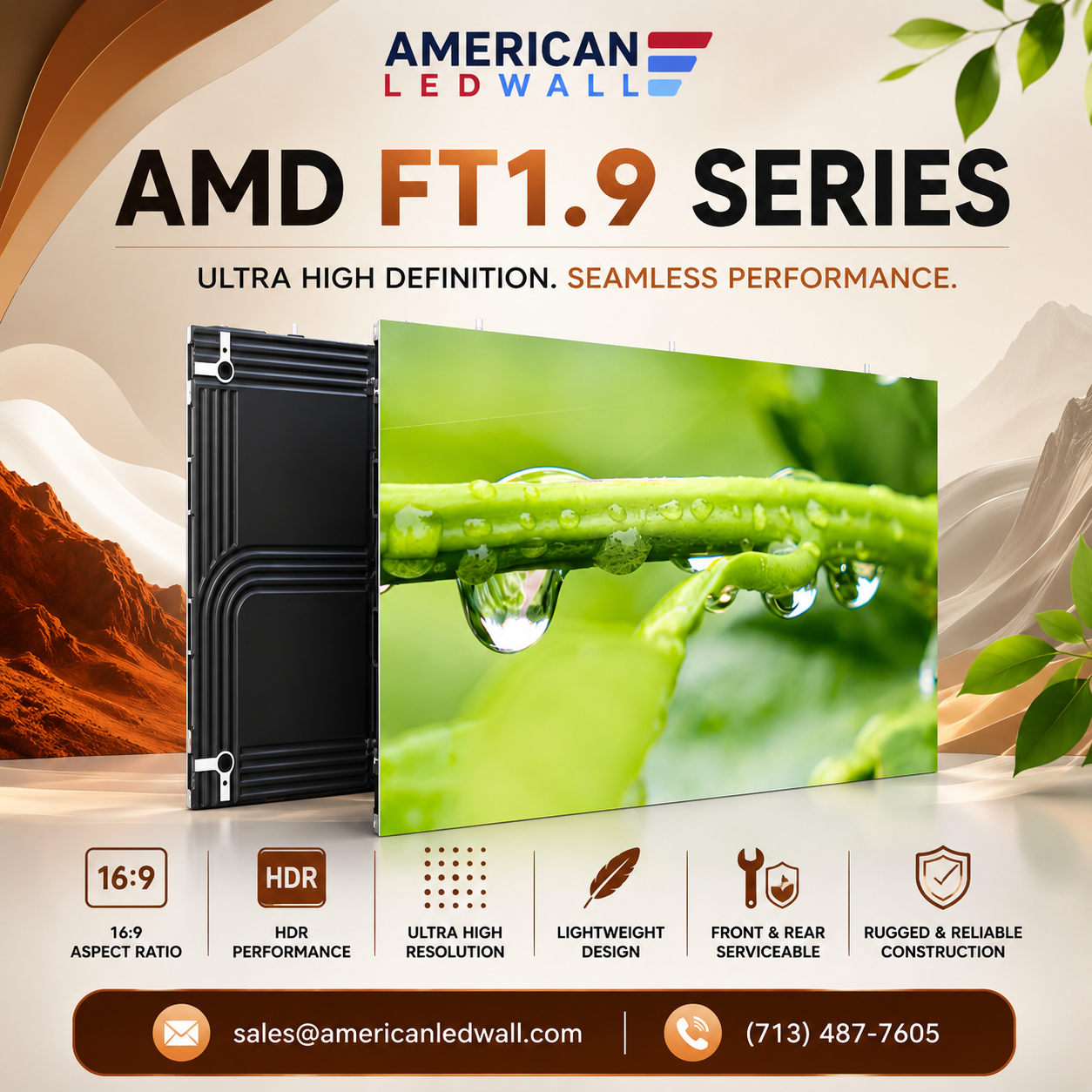
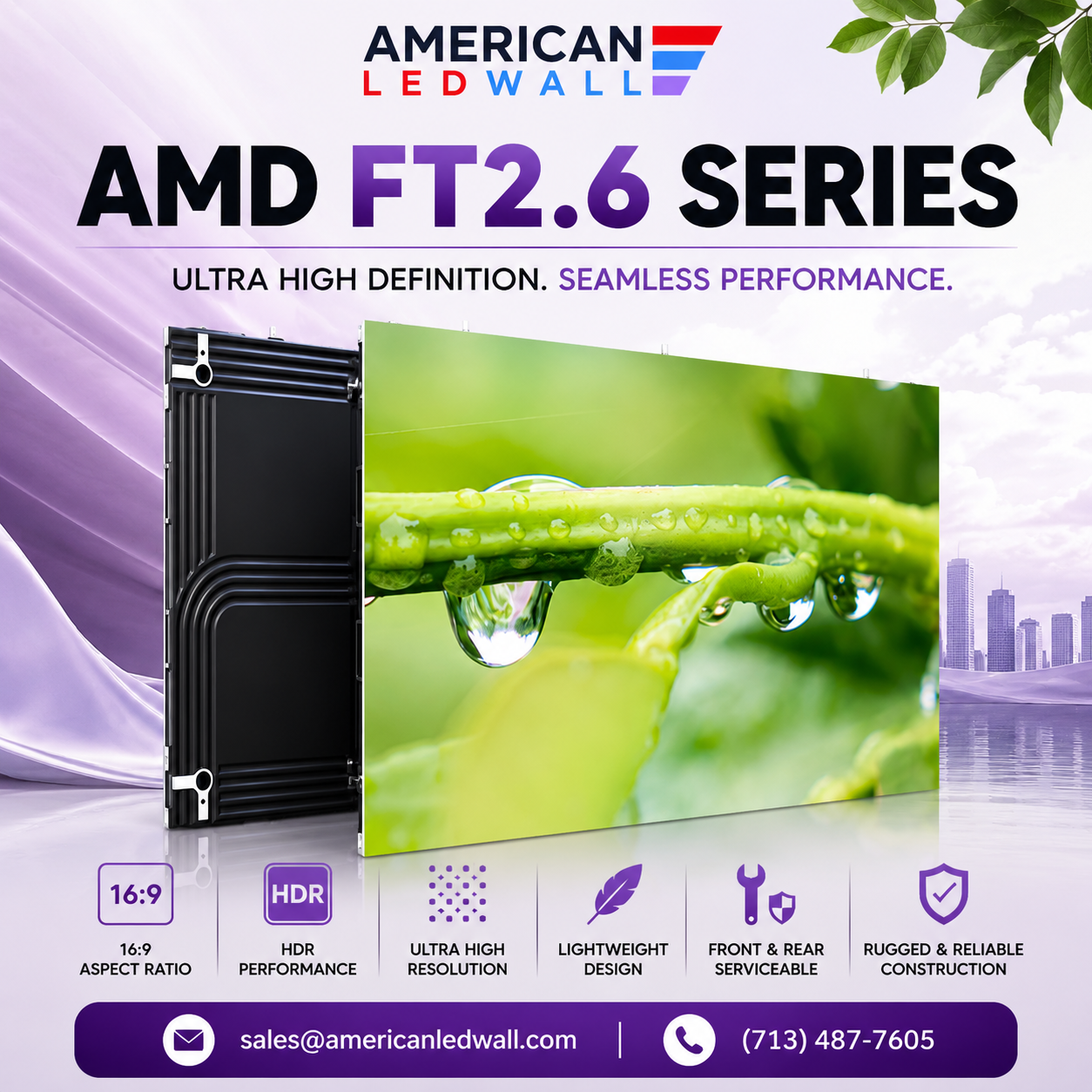
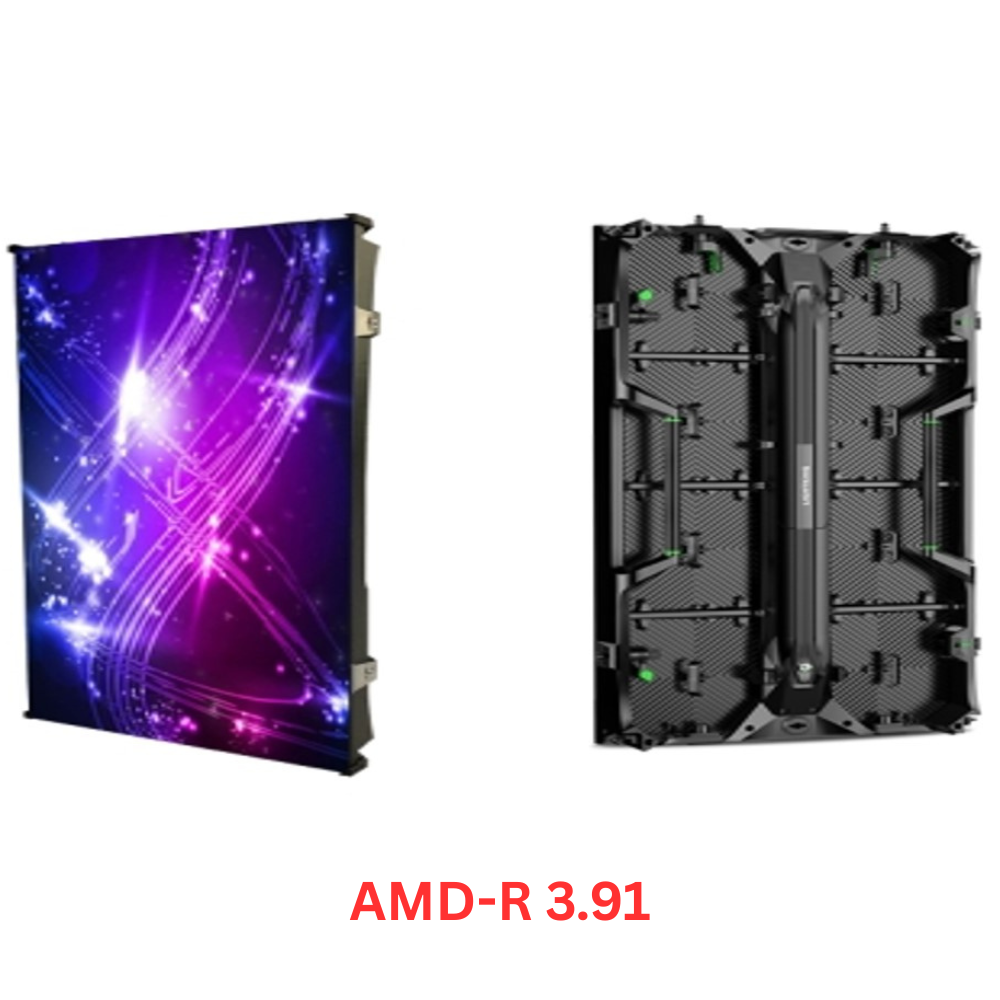
If you are weighing options, here are three of our outdoor-ready series across the pitch range, from close-up sharp to large and far. Tell us your site and viewing distance, and we will point you to the right fit.
Building indoors instead, or fitting a lobby or control room? Our indoor display range covers those spaces.
Frequently Asked Questions
How much does an outdoor LED screen cost?
Most run $15,000 to $500,000 or more installed, depending on size and resolution. A small storefront sign sits near the bottom, a large stadium or highway display near the top.
What is the cost of an outdoor LED screen per square foot?
The screen hardware alone commonly runs a few hundred dollars per square foot, rising with finer pitch and higher brightness. Structure and installation are added on top.
Why are two outdoor screens of the same size priced so differently?
The gap usually hides in LED grade, brightness, weatherproofing, warranty length, and whether spares are included. A very low quote is worth a close look.
Is it cheaper to rent an outdoor LED screen?
For a one-time event, yes, renting is far cheaper. For daily long-term use, owning costs less over the life of the screen.
How long does an outdoor LED screen last?
A quality outdoor screen runs about 100,000 hours, roughly ten years, before its brightness fades enough to consider a refresh.
Price an outdoor screen by starting with the type and size; everything else falls into place. When you want that figure for your own spot, here is the quickest way to get a straight one.
