
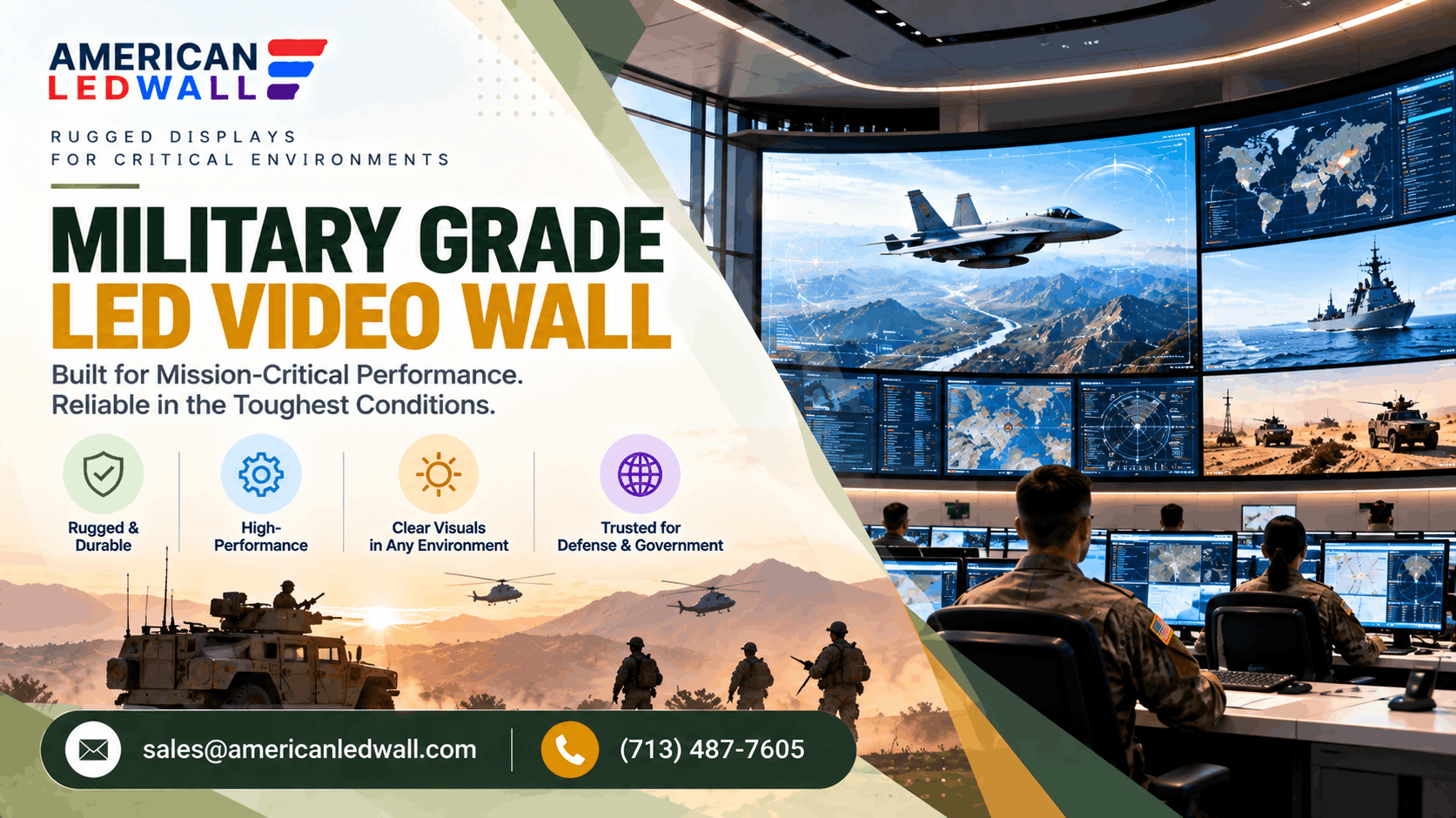
Calling a video wall military-grade is making a promise, not a marketing claim. A wall in a conference room can glitch, dim, or fail on a Friday, and nobody gets hurt. A military display screen in a command center or a forward operating post does not get that luxury. The gap between the two is a set of standards, a tougher build, and a sourcing trail you can prove.
A military grade LED video wall is a direct-view LED display built and tested to survive military conditions and cleared to be bought by the government. It meets defense environmental and electromagnetic standards, carries the right sealing for where it lives, and ships from a compliant supply chain. Unlike a rugged military LCD display bolted into a vehicle or an aircraft, it is a large shared surface that a whole room reads at once, so it earns the label a little differently. This guide walks through the standards that define it, the build that backs them up, the split between fixed and deployable walls, and how to spec one for a real mission.
The Standards Behind a Military Grade LED Video Wall
Military grade is a checklist, not a label, and the core of it is a handful of standards. The big one is MIL-STD-810, the Department of Defense standard for shock, vibration, dust, temperature, humidity, and salt, so a display keeps working where a commercial screen would quit. Alongside it, MIL-STD-461 governs electromagnetic interference, which matters in a room full of radios and sensitive gear, and an IP rating of IP65 or higher seals the display against dust and water for anything outdoors or in the field.
| Standard | What it covers |
| MIL-STD-810 | Shock, vibration, dust, temperature, humidity, and salt |
| MIL-STD-461 | Electromagnetic interference and compatibility |
| IP65 or higher | Dust and water sealing for outdoor or field use |
| TAA and DFARS | Country of origin for a federal purchase |
The last piece is sourcing, and it is the one that stops a deal cold. The Trade Agreements Act limits government purchases above certain thresholds to products made in the United States or a designated partner country, and for the Department of Defense, the Defense FAR Supplement adds its own Buy American rules. A wall that fails origin will not clear procurement, so a compliant wall is as much about the paper trail as the panel, which is exactly what our TAA-compliant build is made for.
The Build That Backs the Standards
Standards are the test. The build is what passes them. A military-grade wall uses sealed, cooled cabinets and solid-state LED modules with no lamps to burn out, so it runs continuously for years. It carries redundant power and data and hot-swappable modules, so a failed part gets pulled from the front without taking the wall dark, which is the heart of around-the-clock reliability. It manages heat quietly because a command center is a working room, and it maintains calibrated color so operators can read status and data correctly. These are the traits that separate real rugged military displays from commercial panels that happen to share a line on a spec sheet.
Fixed Walls and Walls That Deploy
Military grade splits into two very different jobs. A fixed wall lives in a command center, a briefing hall, or an operations floor on base, wired into power and networks and built for all-day use. A deployable wall has to move with the force, and that changes the build more than the picture does.
The deployable side is where it gets interesting. Ruggedized LED video wall systems ship in transit cases, set up in minutes, and run on a generator or field power, so a tactical operations center can stand up a shared screen in a tent the same day it arrives. They trade a little resolution for the ability to survive transport, heat, and dust, and they carry their own redundancy because there is no service truck in the field. If your program is expeditionary, that matters more than the last tenth of a millimeter of pixel pitch.
Spec’ing One for the Mission
Once the standards and the build are settled, the spec comes down to the room and the mission. Pixel pitch follows viewing distance: operators a few feet from the wall want a fine 1.2 to 1.9 mm pitch so dense data stays sharp, while a wall read across a large room or outdoors can run coarser and cost less. Brightness follows the light, climbing past 5,000 nits for an outdoor sign in full sun. Size follows the content and the crowd. Some programs lean on military COTS displays, commercial units hardened for defense use, to control cost and lead time, but a good custom military display is sized to the mission rather than pulled off a shelf. Our military wall pricing guide puts rough numbers to the panel side.
Panels to Start From
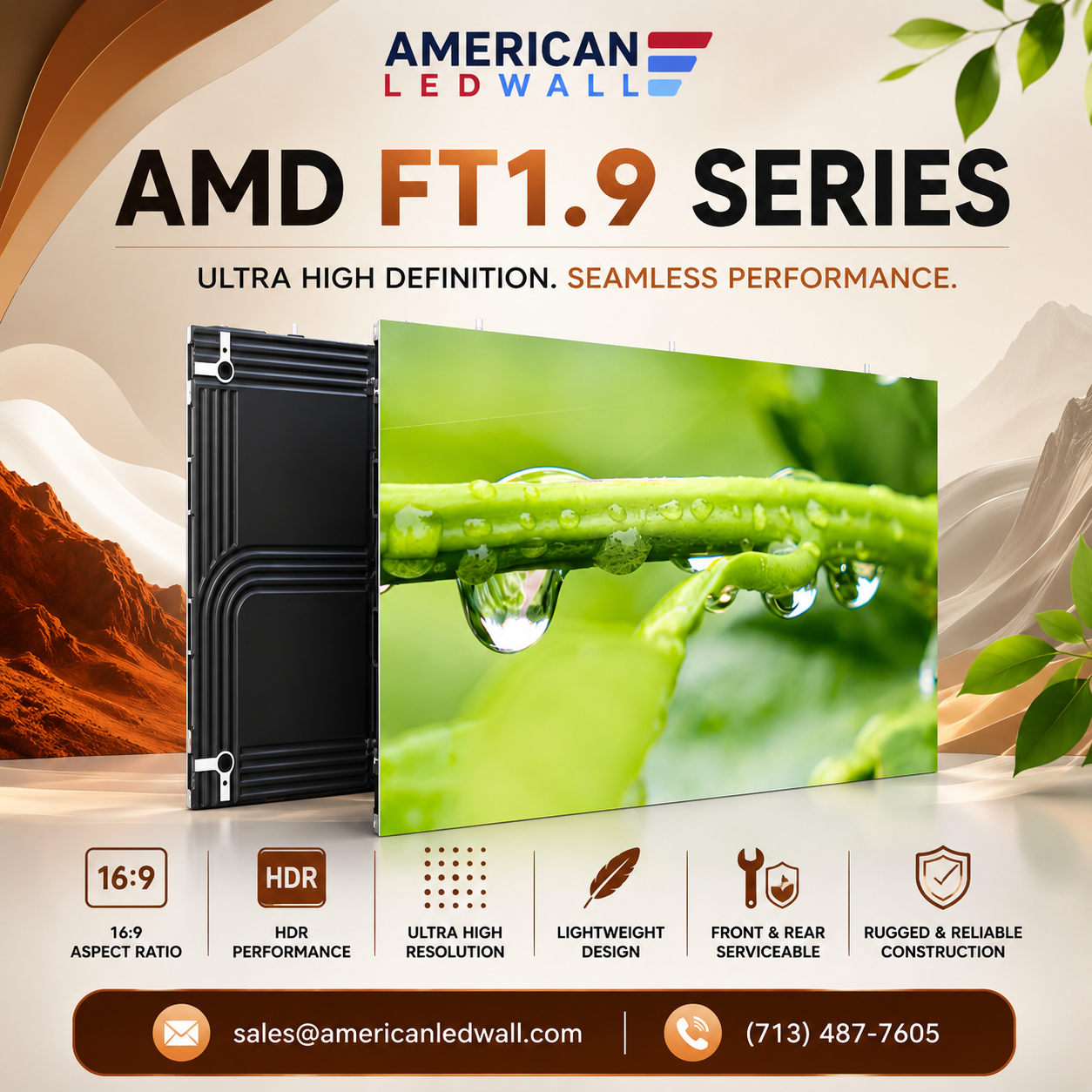
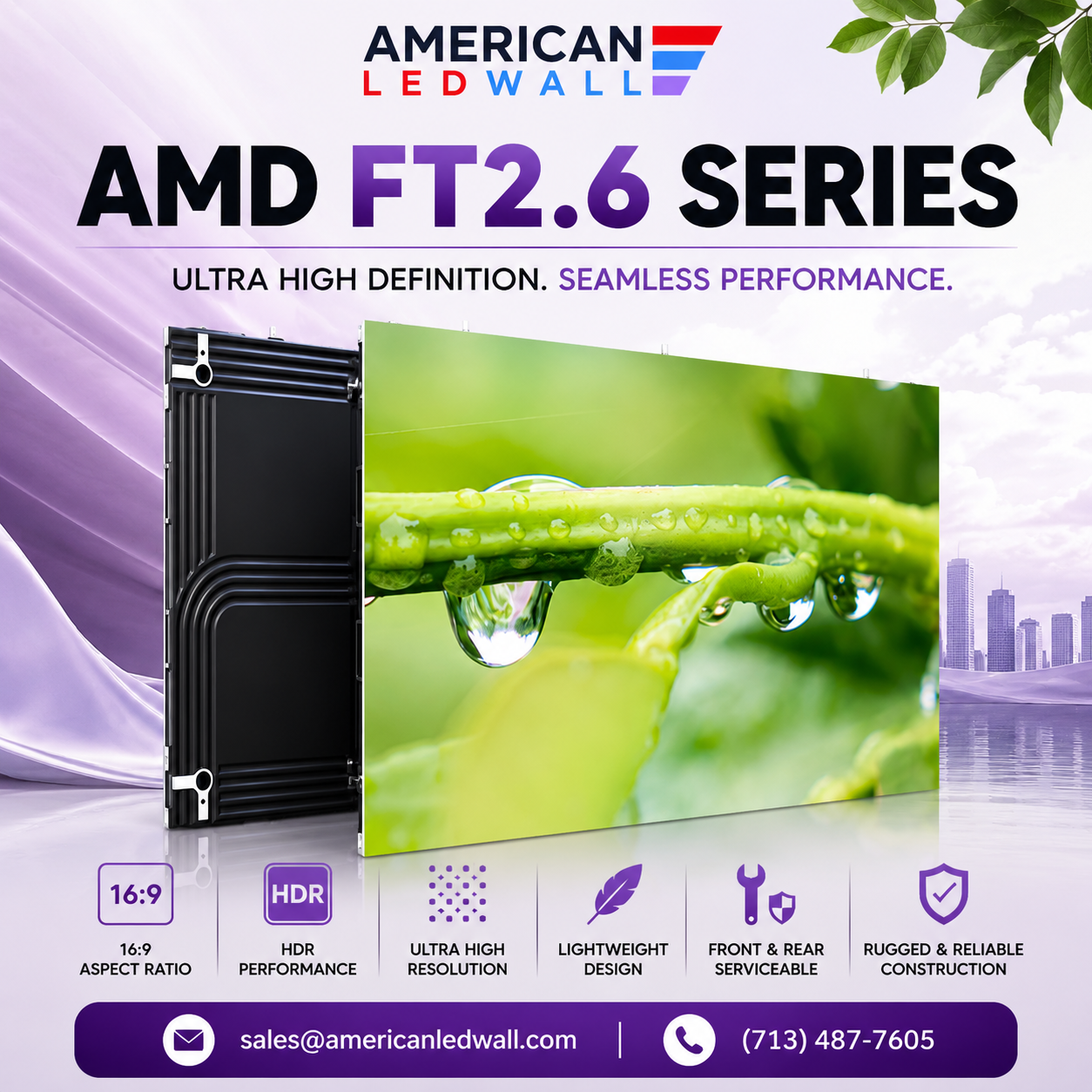
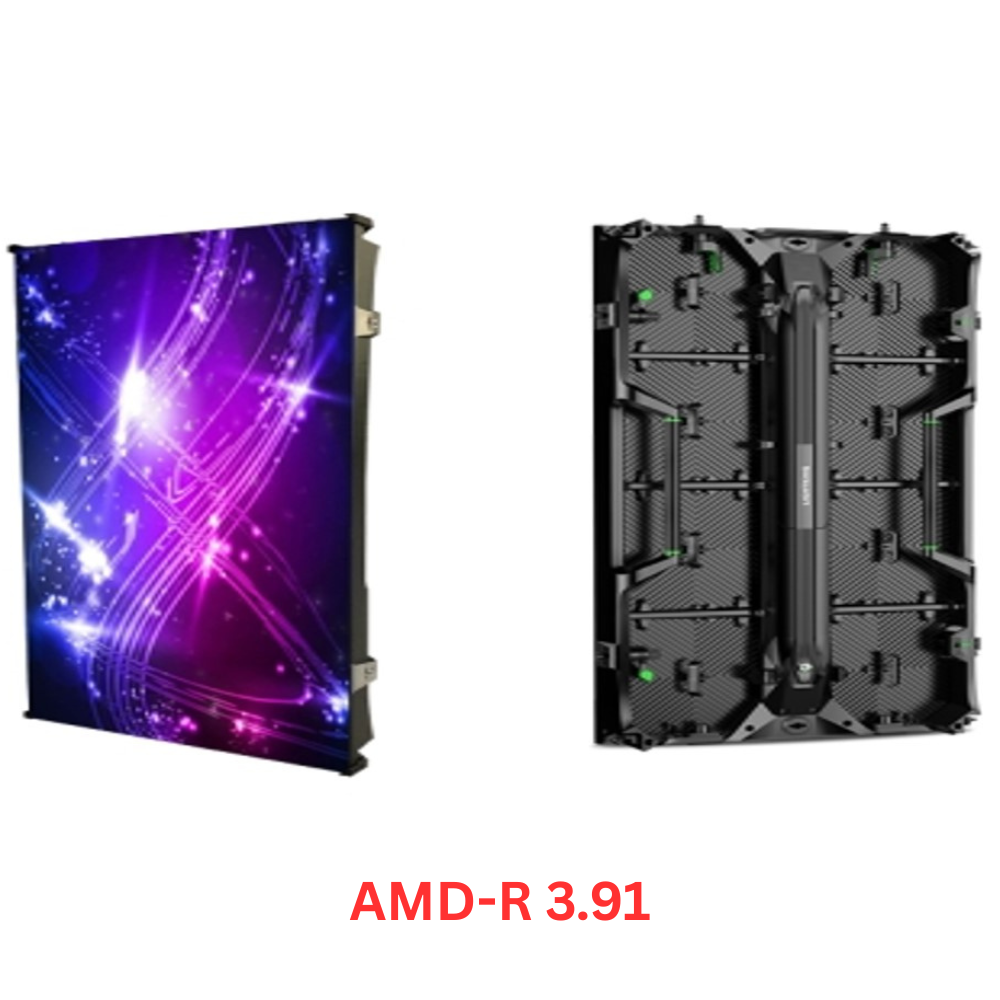
Here are three panels sized across those builds, one for a command or briefing wall and two for tougher base and outdoor spots.
Where These Walls Serve
These walls show up wherever a team has to see the same picture under pressure. It runs the common operational picture in command center walls, backs training and briefings on base, and carries force-protection and base information on outdoor message centers across the services. Where an operator drives the picture by hand, a military touch screen adds direct control. If your question is less about the panel and more about the company behind it, our choosing a military display supplier guide covers how to vet one.
Frequently Asked Questions
What is a military grade LED video wall?
A military grade LED video wall is a direct-view LED display built and tested to survive military conditions and cleared to be bought by the government. It meets defense environmental and electromagnetic standards like MIL-STD-810 and MIL-STD-461, carries the right IP sealing, and ships from a TAA-compliant supply chain.
What standards does a military video wall meet?
The core standards are MIL-STD-810 for environmental stresses like shock, vibration, dust, temperature, humidity, and salt, MIL-STD-461 for electromagnetic interference, an IP65 or higher seal for dust and water, and the Trade Agreements Act and DFARS rules for country of origin on a federal purchase.
How is a military video wall different from a commercial one?
A commercial LED video wall is built for a controlled indoor space and a normal duty cycle. A military grade wall is tested to military environmental and electromagnetic standards, built with sealing, redundancy, and rugged materials, and sourced from a compliant supply chain, so it holds up in the field and clears government procurement.
Are military video walls TAA compliant?
They need to be for most federal purchases. The Trade Agreements Act limits government buys above certain thresholds to products made in the United States or a designated country, and the Defense FAR Supplement adds Buy American rules for the Department of Defense. A compliant wall ships with country-of-origin documentation.
Can a military video wall be deployed in the field?
Yes. Ruggedized LED video wall systems ship in transit cases, set up in minutes, and run on field or generator power, so a deployable command post can stand up a shared screen quickly. These trade some resolution for the ability to survive transport, heat, and dust.
What pixel pitch does a military video wall need?
It depends on the viewing distance. Operators a few feet from the wall want a fine 1.2 to 1.9 mm pitch so dense data stays sharp, while a wall read across a large room or outdoors can use a wider pitch to save cost. Match the pitch to how close people sit.
Build One to the Standard
A video wall earns the military grade label by passing the tests, surviving the build, and clearing the paperwork, not by wearing the name. Start with the standards your mission requires, match the build to fixed or deployable, and the spec falls into place.
If you are planning a military grade LED video wall for a command center, a base, or a deployable post, send American LED Wall your setting, your room or site details, and your viewing distances, and the team will size the display, the pitch, and the compliance for the job. To rough out a size first, take about a minute to size your wall.
MIL-STD Tested · TAA Compliant · Fixed or Deployable
Planning a Military Grade LED Video Wall?
Tell us your mission, your room or site, and how far people sit. We will spec the standards, the pitch, and a TAA-compliant build, then give you a straight, itemized price for the display side.
